AI the Scientist
Designing an interactive exhibit on AI in science and protein research for the VISTA Science Experience Center.
What does AI mean for research?
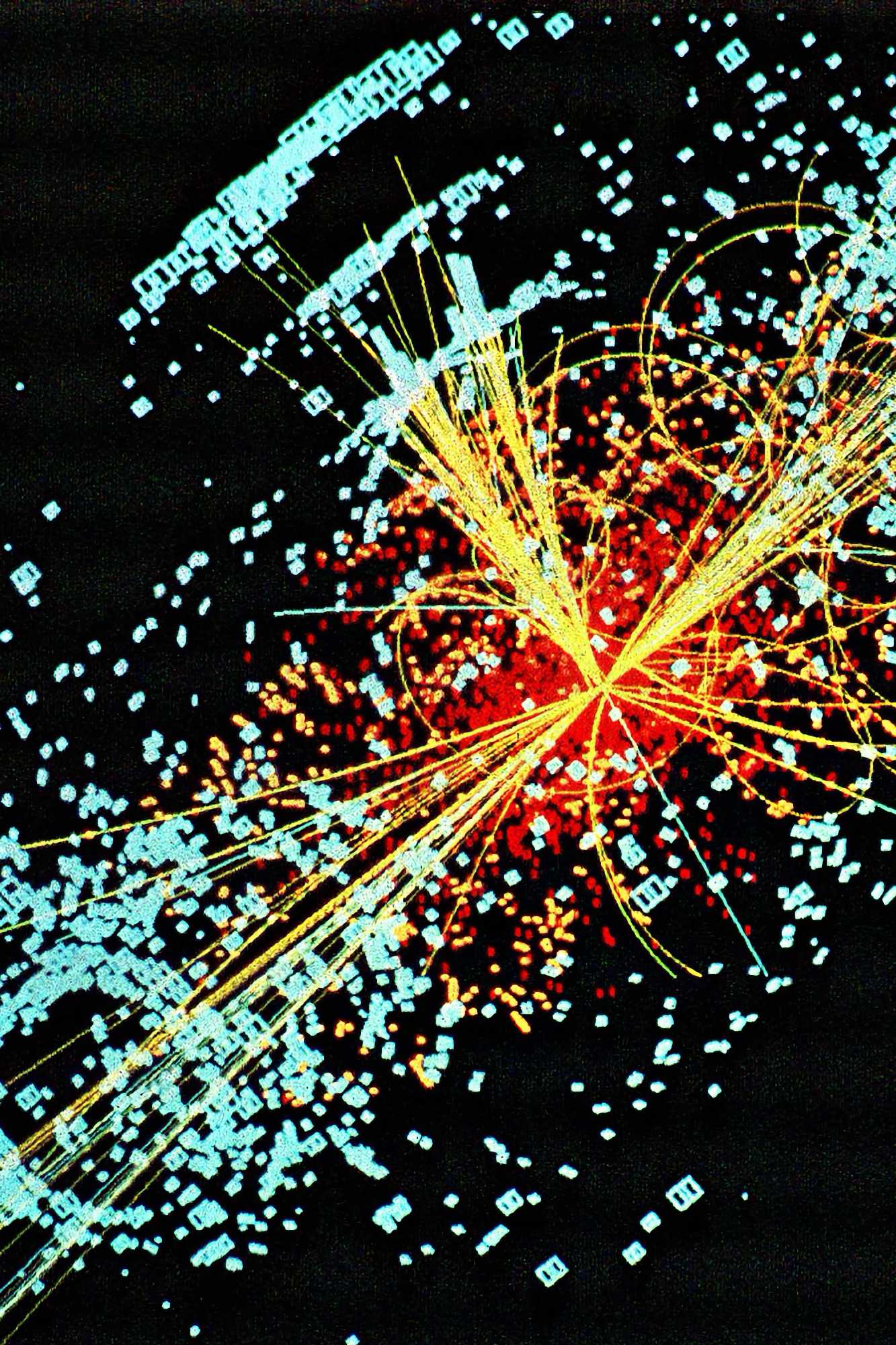
Protein research has been quietly transformed. AI-tools like AlphaFold now predict molecular structures in hours that once took decades of painstaking lab work. But the science is abstract, the tools invisible, and the implications difficult to grasp. VISTA Science Experience Center commissioned us to make this shift legible to visitors.
Embodying the Abstract
The central design challenge emerged immediately: how do you give physical form to artificial intelligence without falling into tired metaphors or sterile visualizations? We started our process by meeting the scientists themselves.
Meeting the Scientists
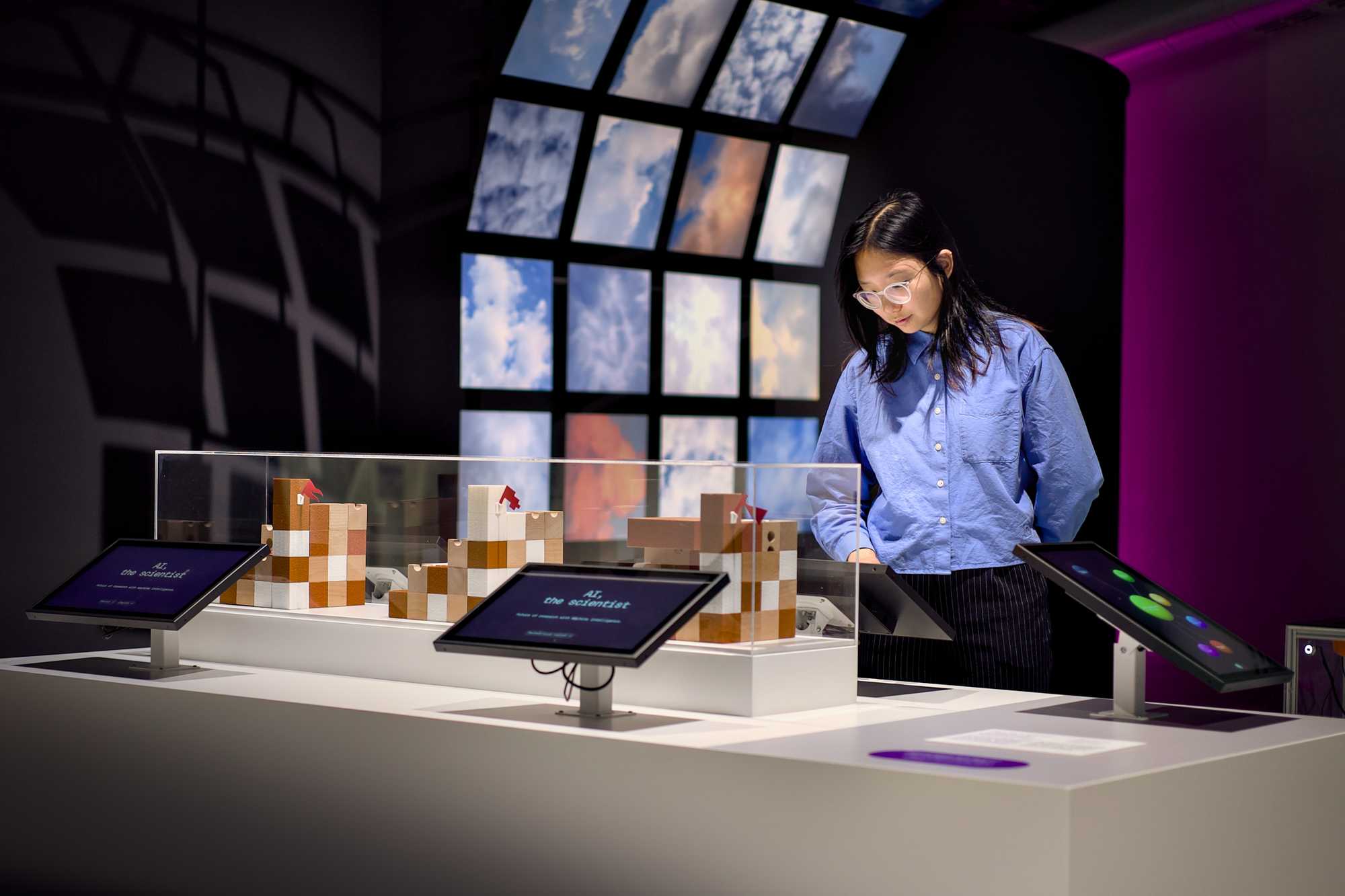
Our collaboration began with extensive interviews with researchers Alex Bronstein and Florian Praetorius, as well as visits to their groups' labs. These conversations revealed what a day in the life of a cutting-edge scientist truly looks like — how they actually use and develop these tools, where their work is misunderstood, and what fears and hopes surround it.
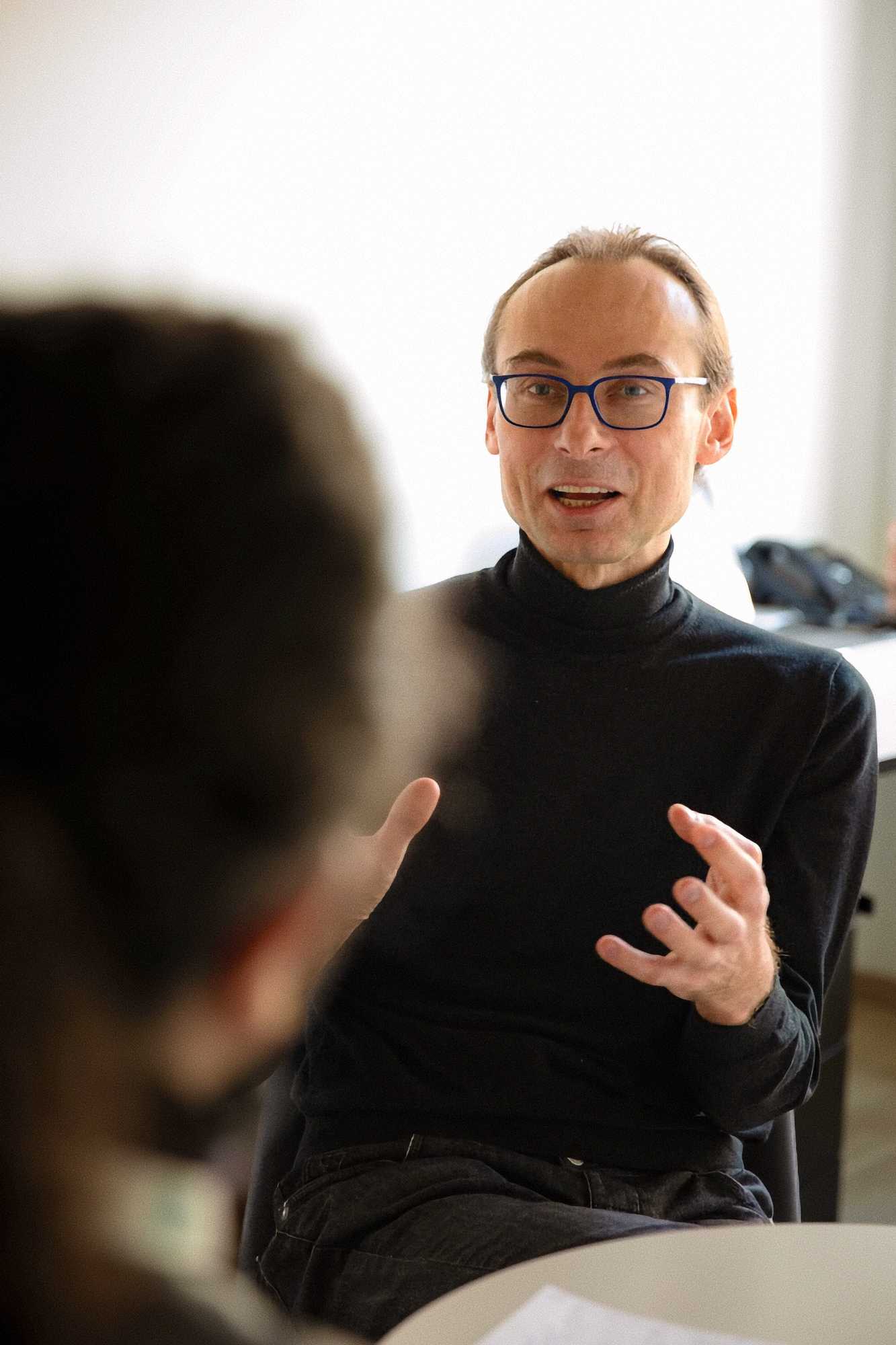
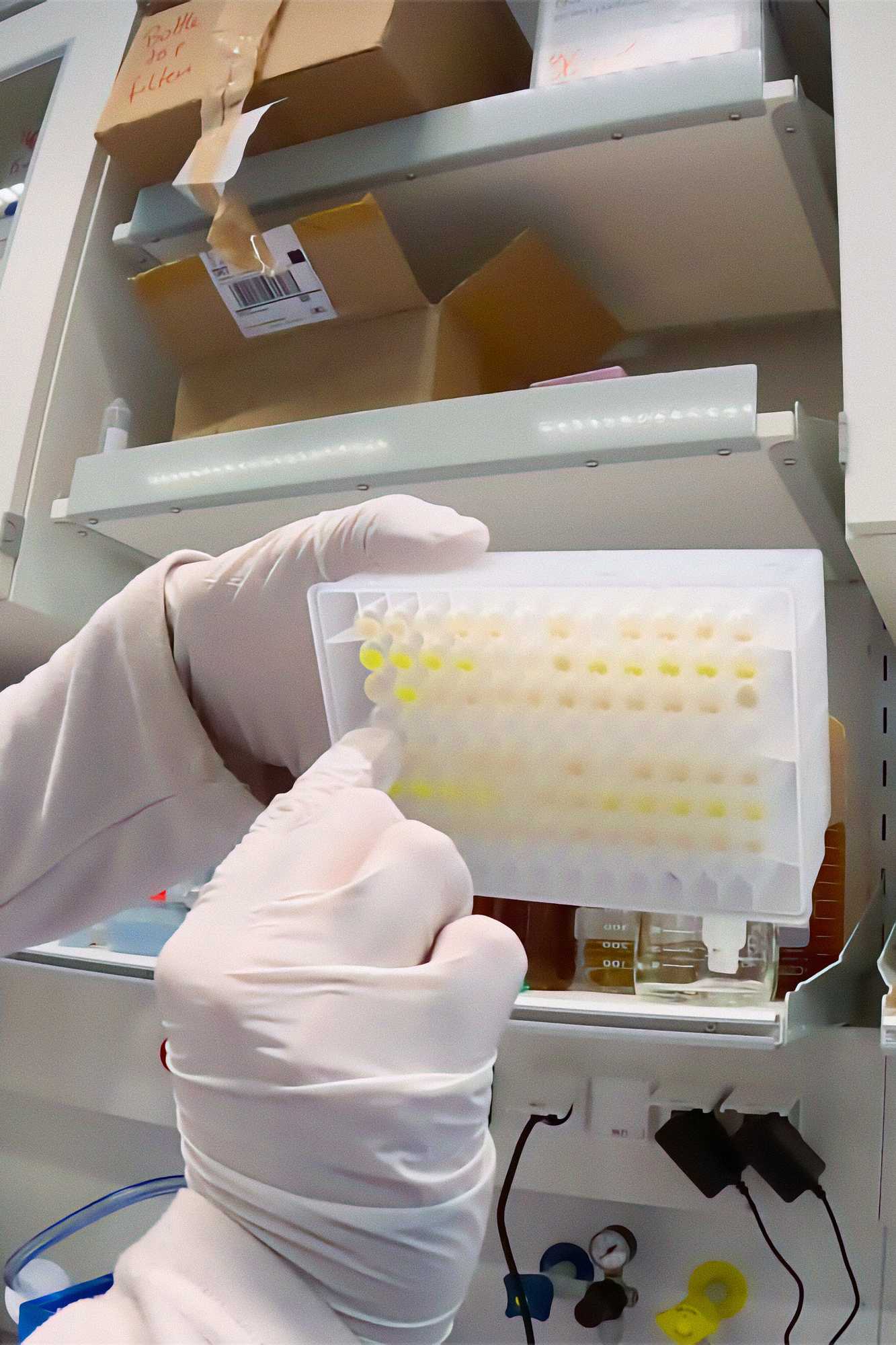
Building on these insights, we developed wireframes in close collaboration with Alex and Florian. Early sketches were tested against the realities of their daily work, and refined through ongoing feedback rounds ensuring the design genuinely reflected how they think and work.
Interface Design Philosophy
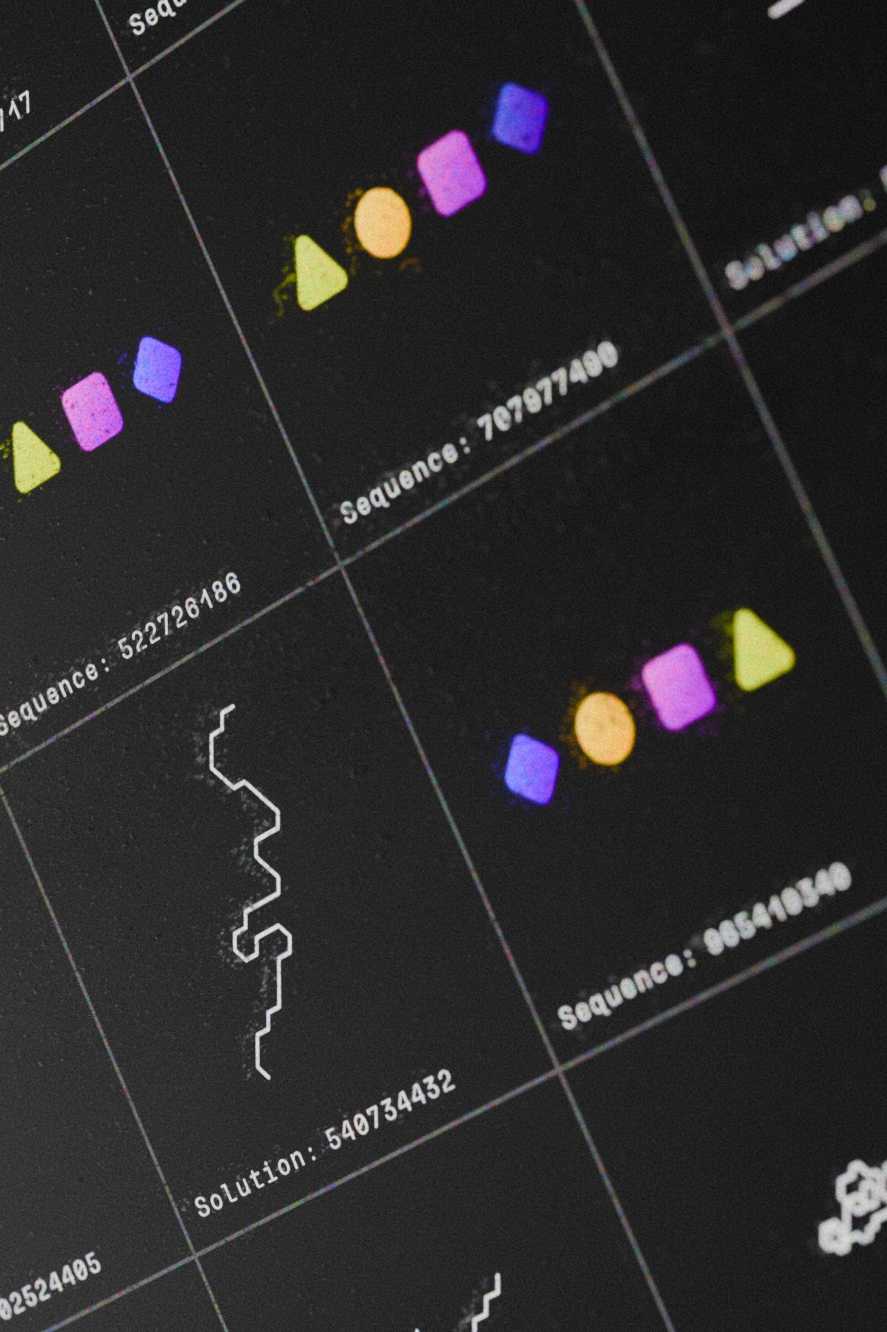
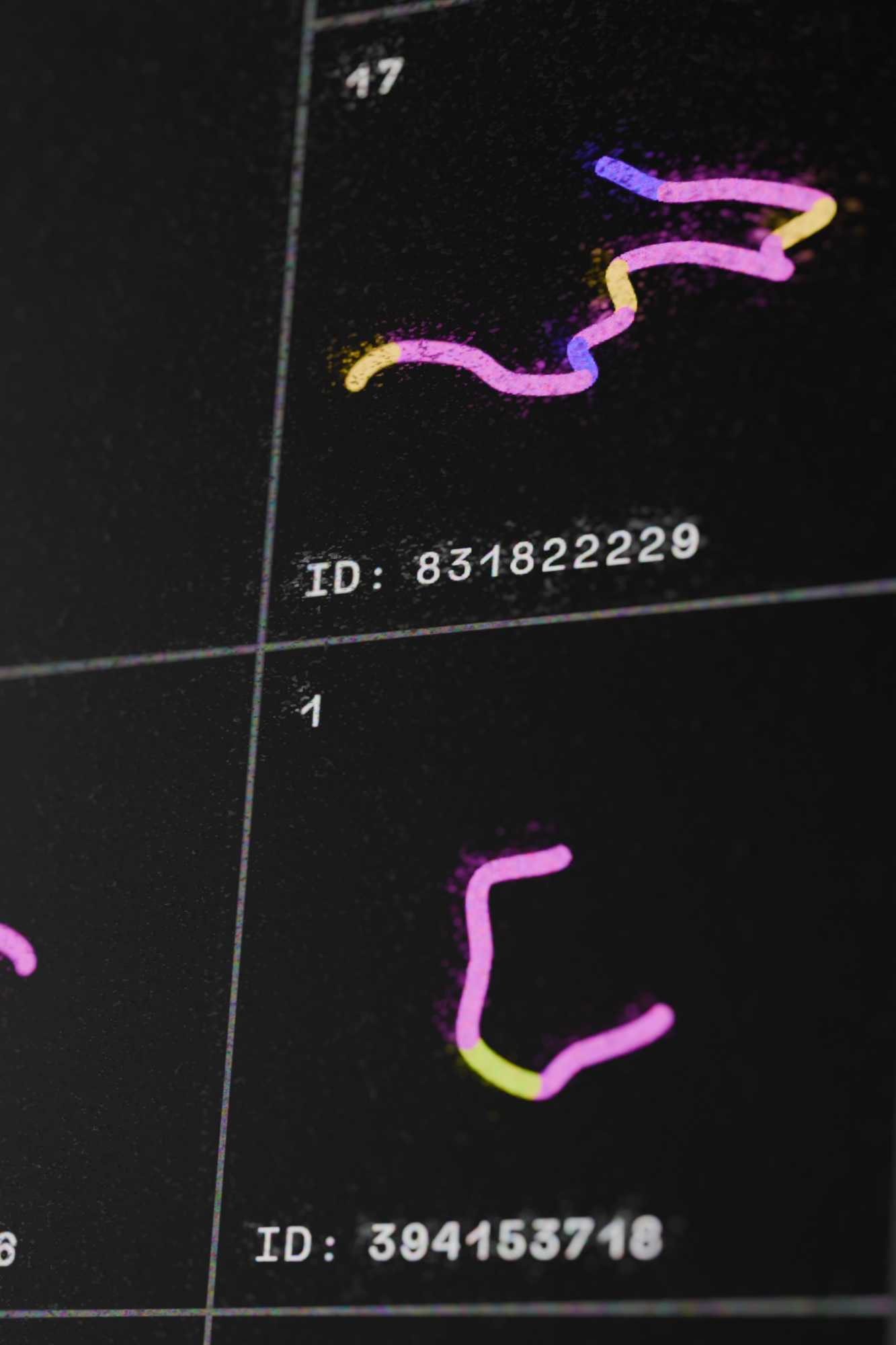
The UI design needed to reflect the dual nature of protein research: both organic and computational. We developed a visual language that mirrors the colors of "amino acids" in our digital interfaces, creating an immediate connection between the molecular world and its digital representation.
Engineering the Physical
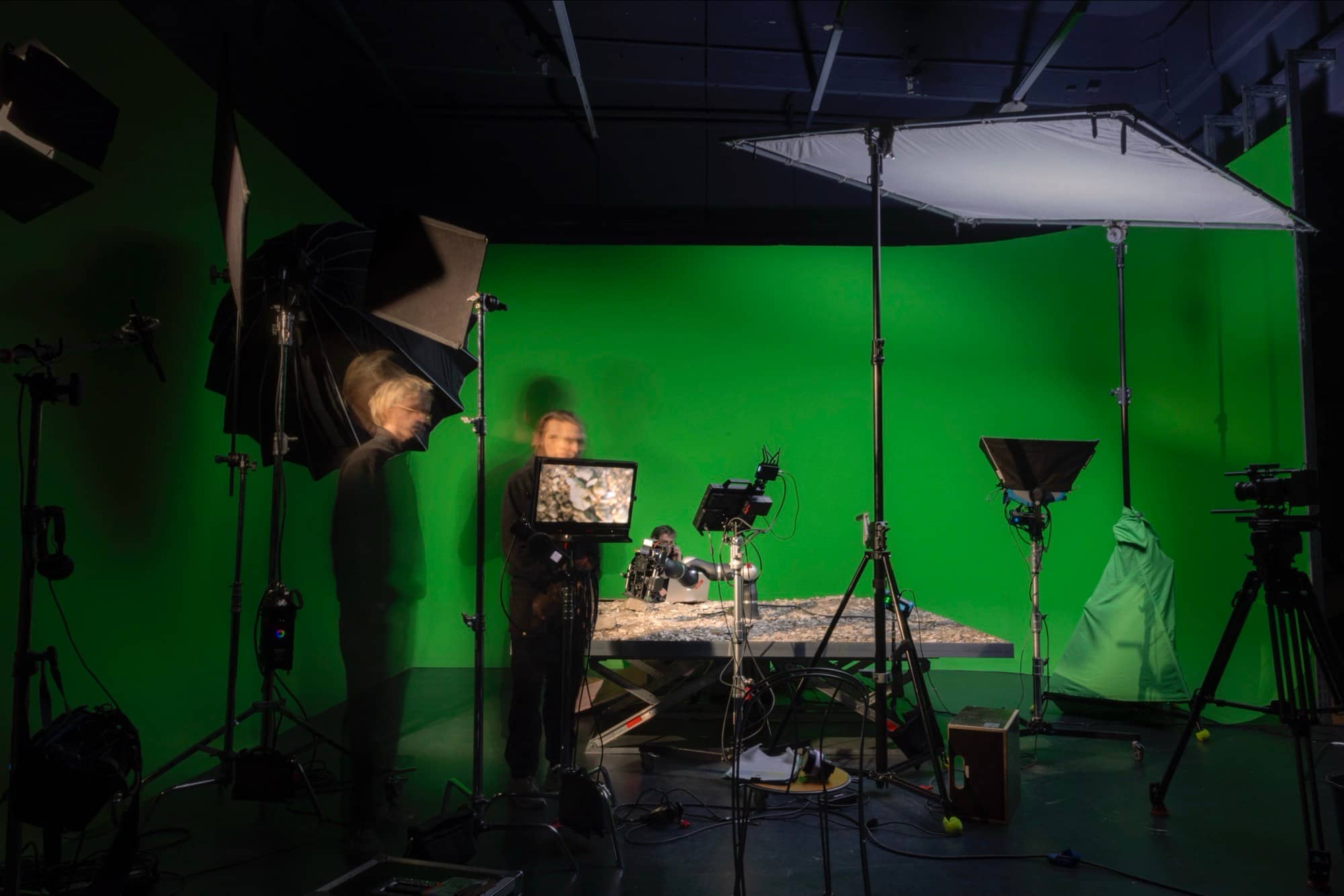
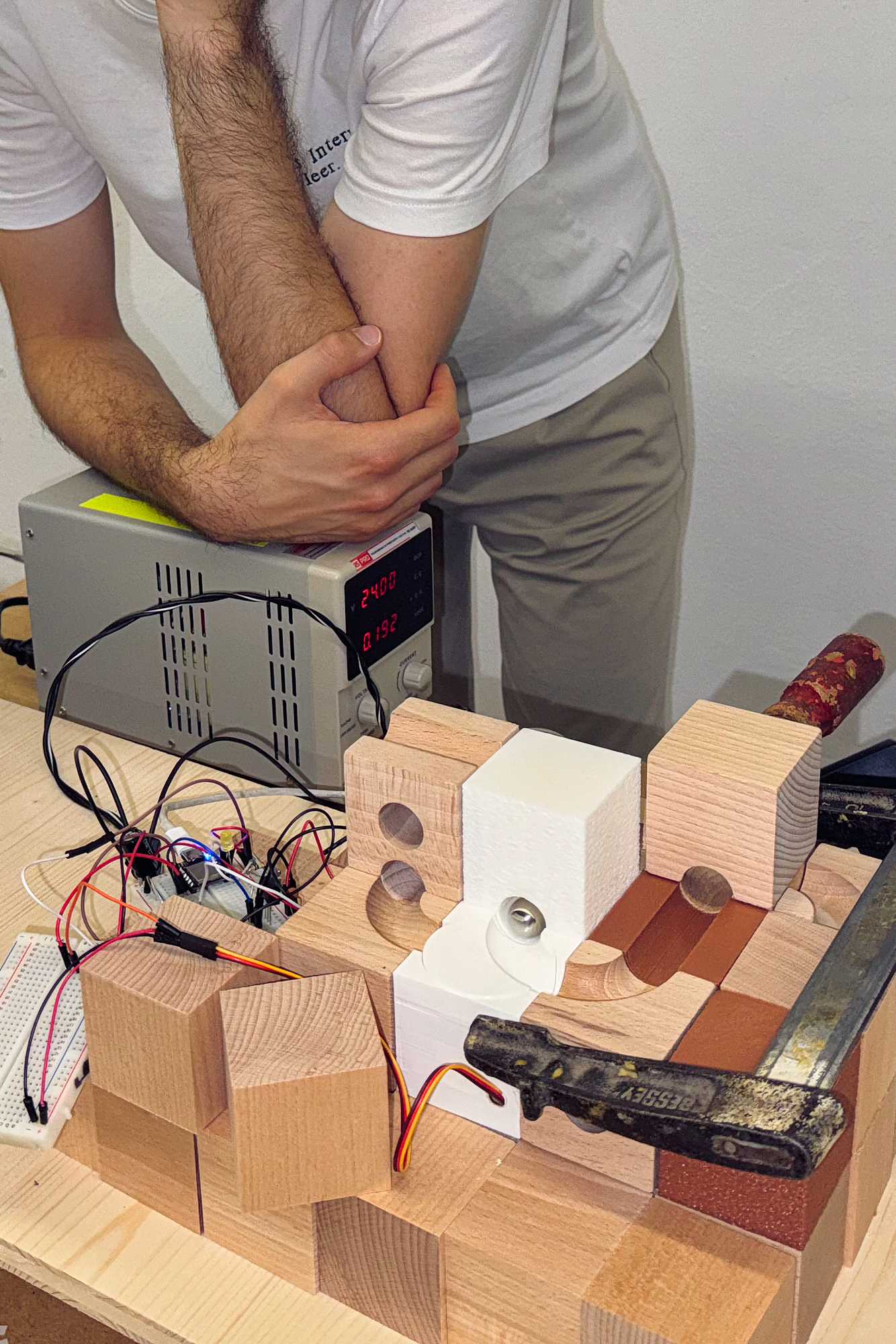
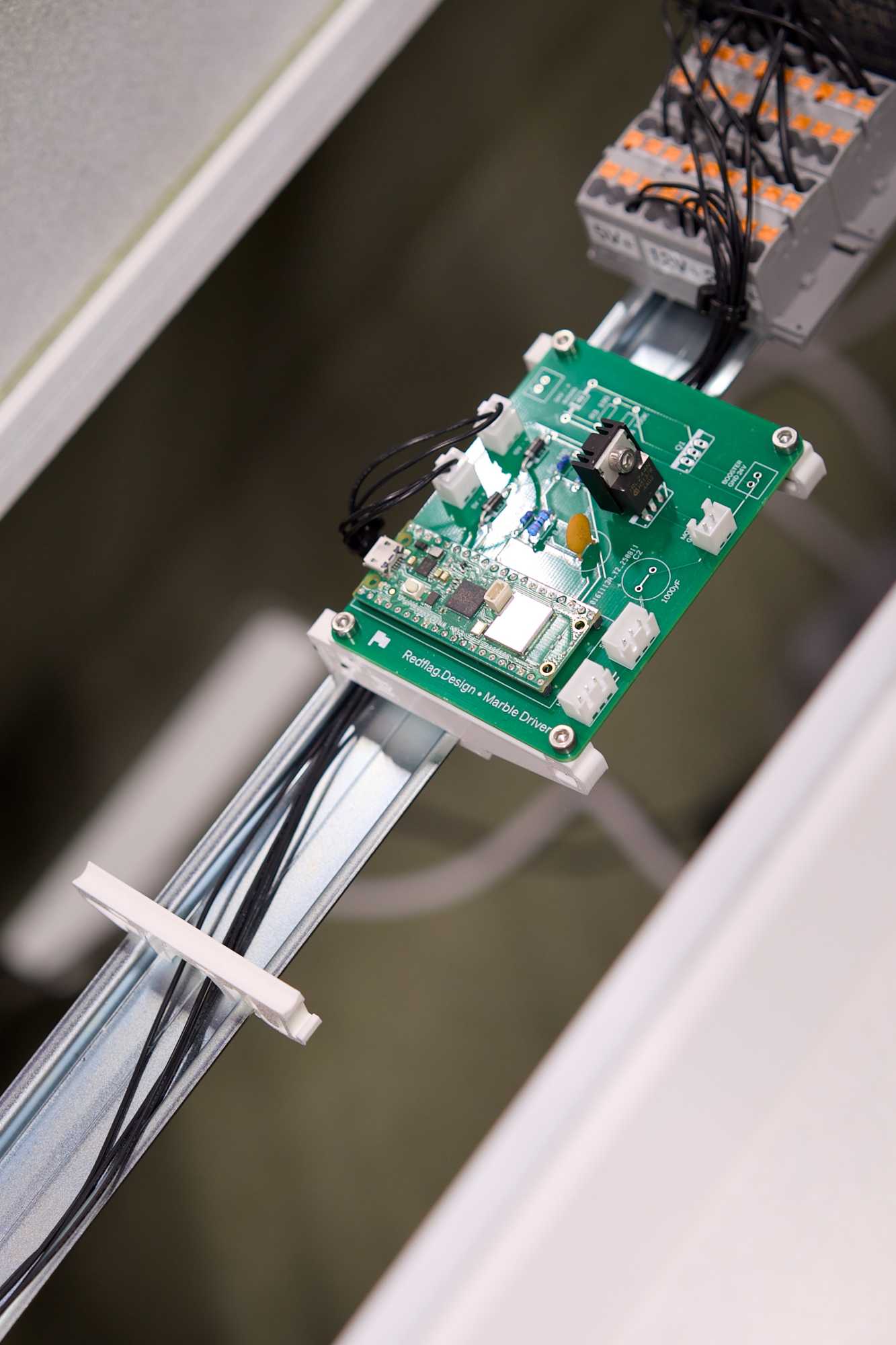
From our first sketches, we knew the installation required something tangible. Something visitors could watch, follow, almost predict, and then lose. The marble tracks… a small engineered ecosystem. Each track, made from a readily available system, runs on custom-built active components. The code then creates a continuous dialogue between physical and digital, three tracks embodying three different approaches to scientific inquiry.
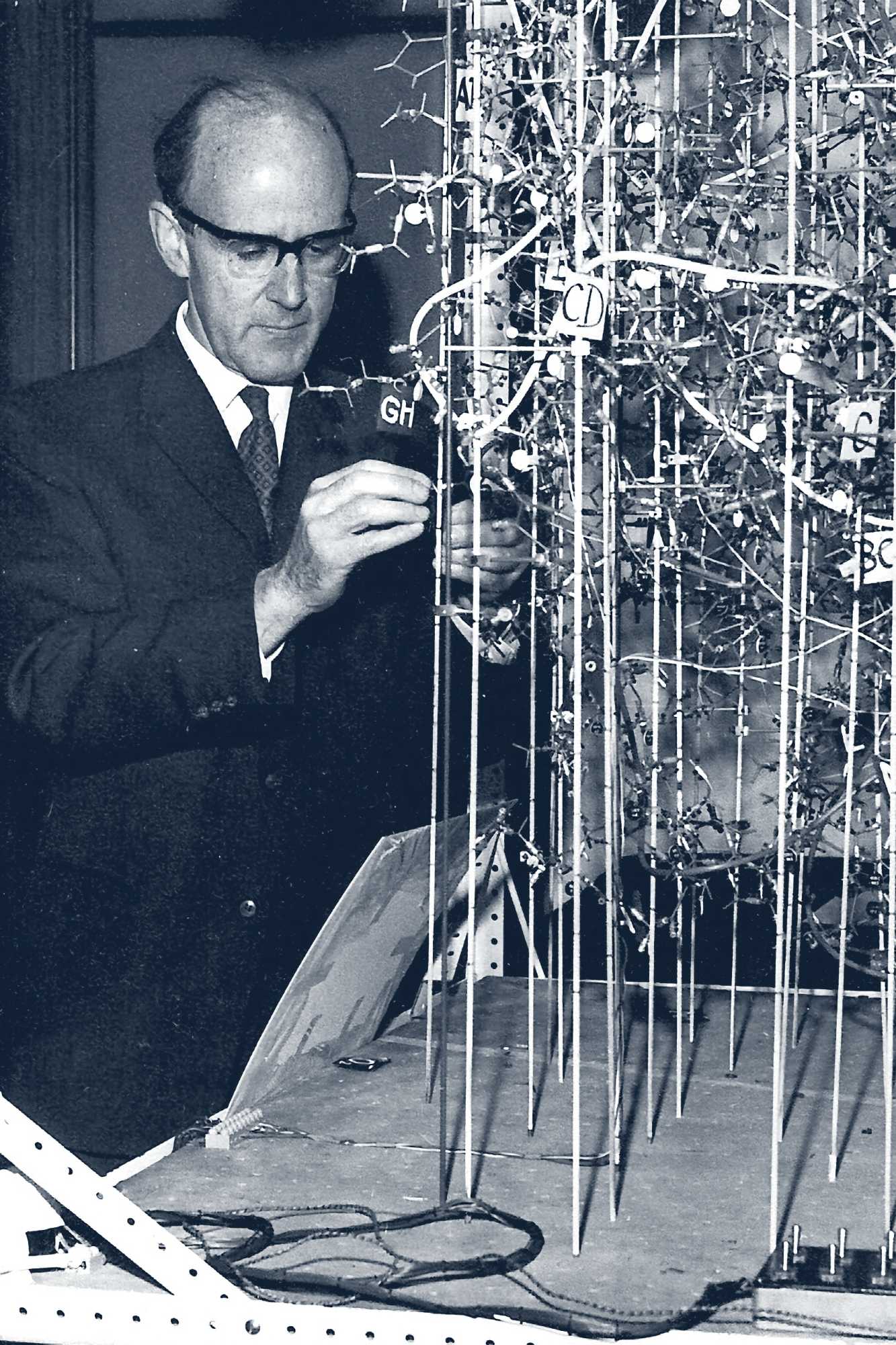
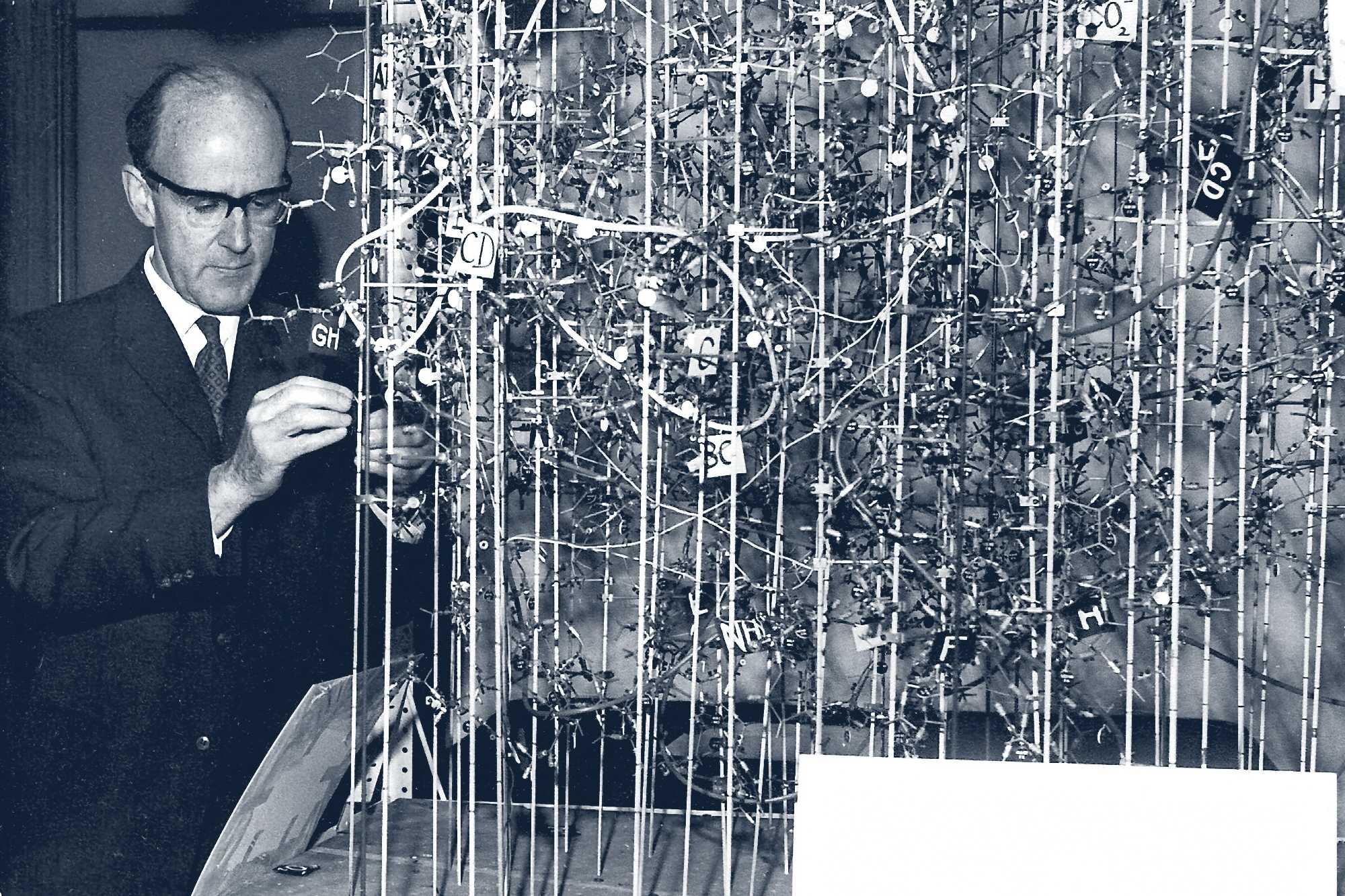
Before AI: Perutz and the Hand-Built Hemoglobin
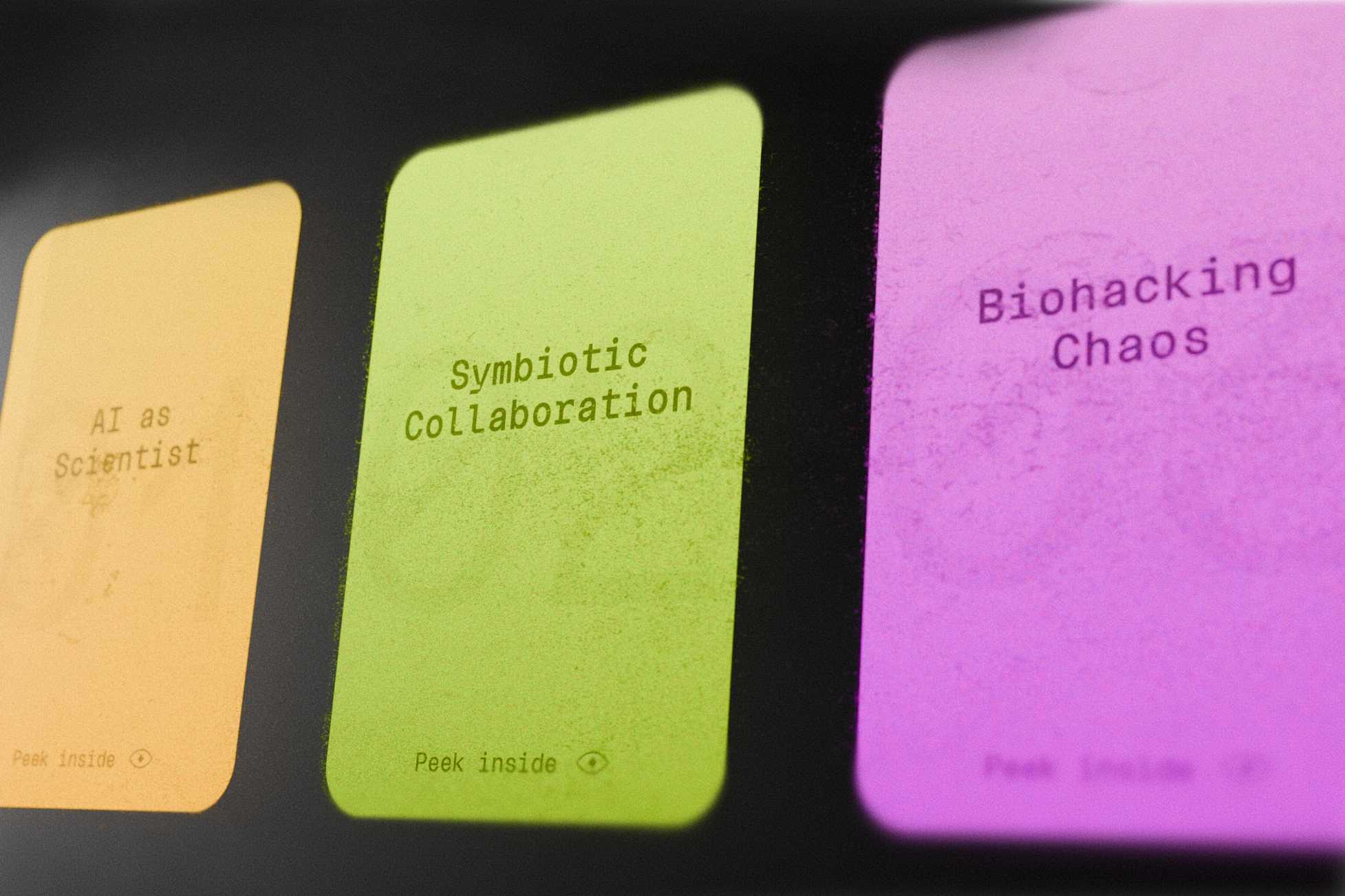
Before artificial intelligence transformed molecular research, scientists like Max Perutz spent decades manually mapping protein structures. His work on hemoglobin required painstaking crystallographic analysis, building physical models atom by atom. This methodical, almost artisanal approach to understanding life's machinery provides essential context for appreciating AI's revolutionary impact.
Structural Transparency
Our interface displays the fundamental elements of protein structure: the chains that must be sorted stand for the constructive relationships between components. Every element is visible, traceable, understandable.
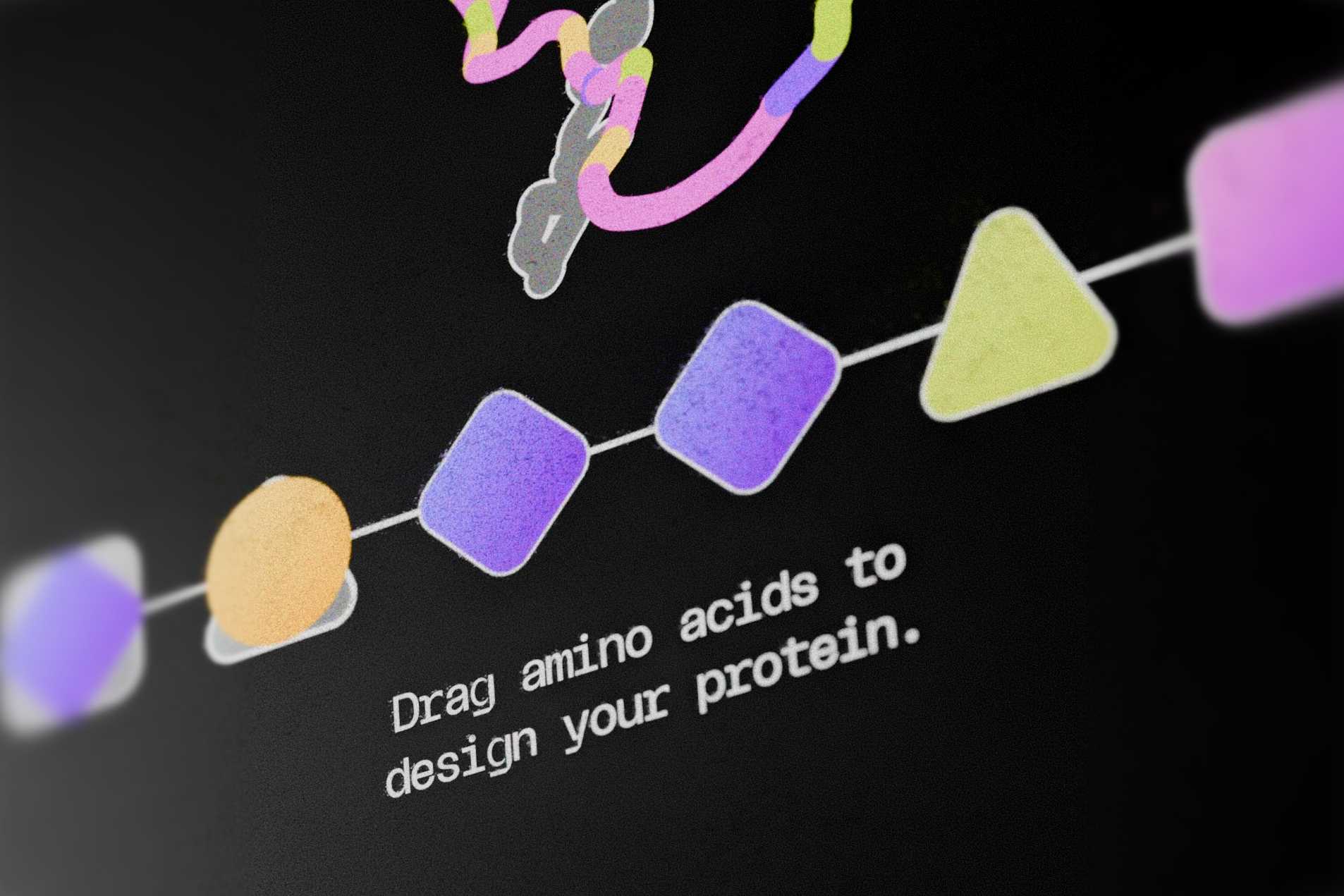
The marble track mirrors this philosophy through complete transparency. Every movement is traceable, slow and deliberate, allowing visitors to follow each decision point and understand the underlying logic.
Enter Machine Learning
Machine learning fundamentally changes the scientific process. Systems like Rosetta and other computational tools shift research from careful, individual observations to massive parallel processing. The implications extend far beyond efficiency: they challenge our understanding of how discovery happens.
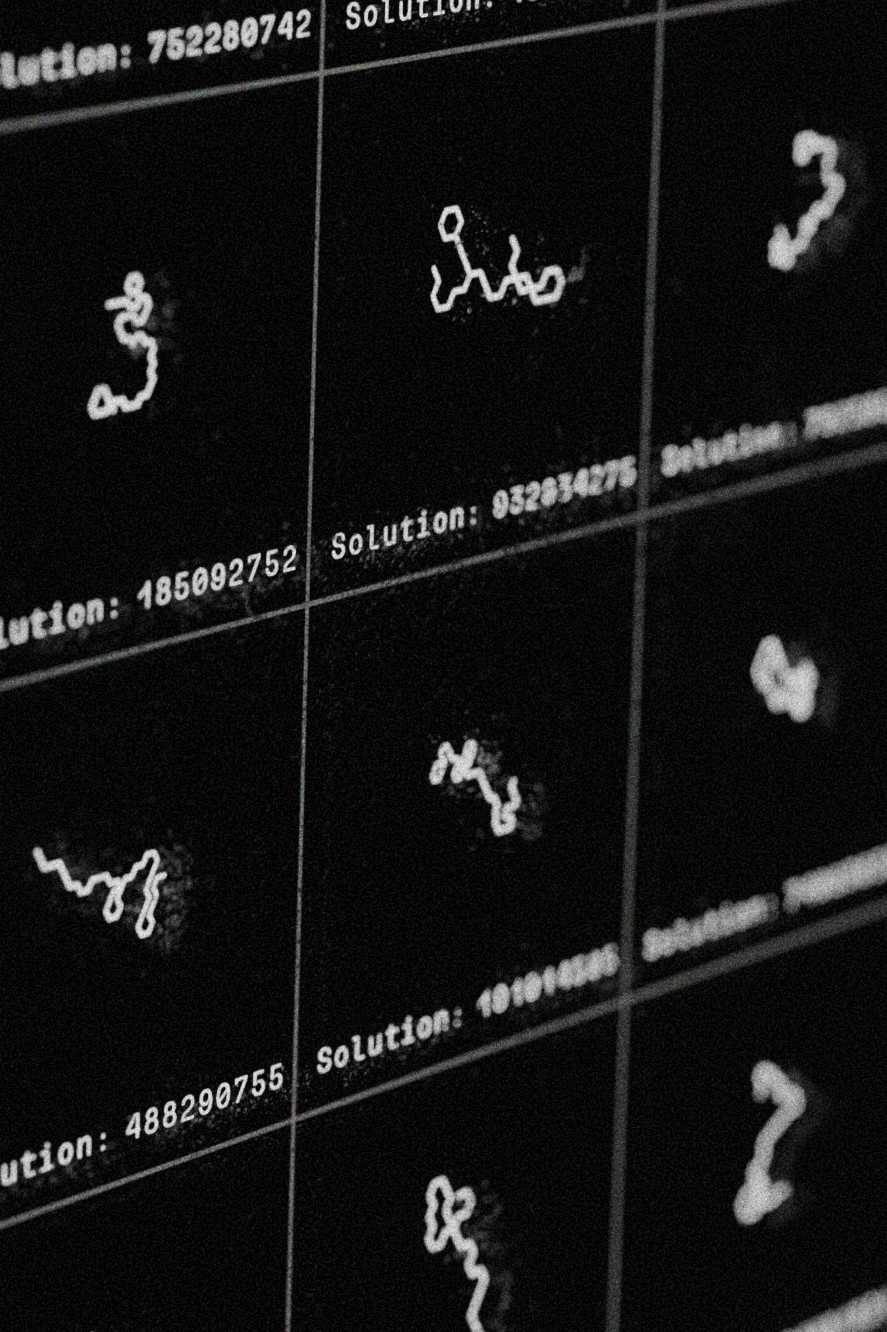
Generative Grids
Our interface reflects this transformation through generative grids that show iteration, multitude, and repetition while maintaining a sense of organization. The UI moves fast, processes large numbers, but always maintains visual coherence—mirroring how machine learning accelerates research while creating new forms of scientific understanding. The system demonstrates how AI doesn't just speed up existing processes—it creates entirely new ways of thinking about molecular relationships.
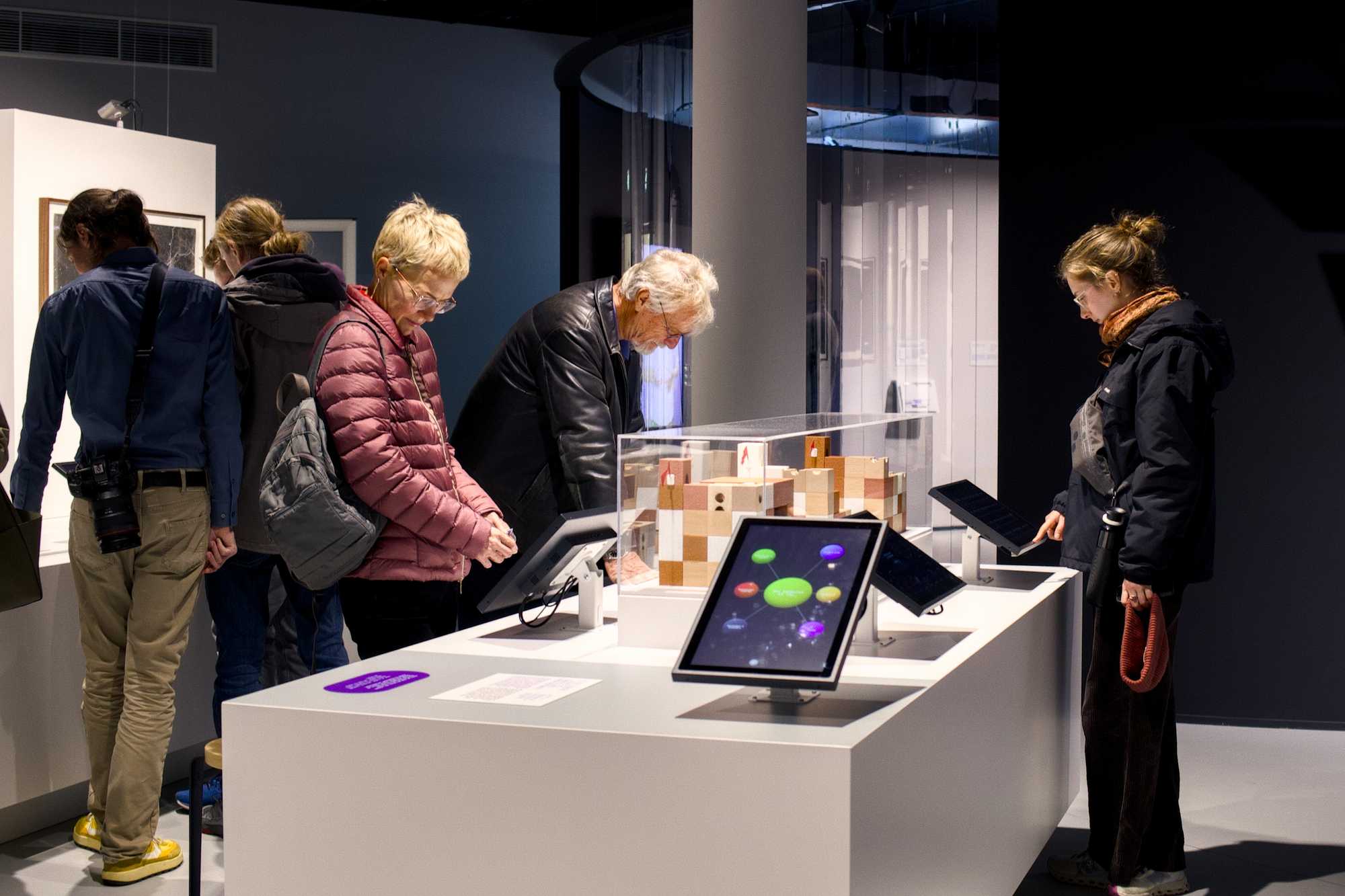
The marble tracks embody this acceleration through tunnels, self-folding paths, electric switches, and multiple simultaneous routes. The physical system becomes a metaphor for AI's ability to explore many possibilities simultaneously, folding in on itself like the proteins it designs.
Three Speculative Futures
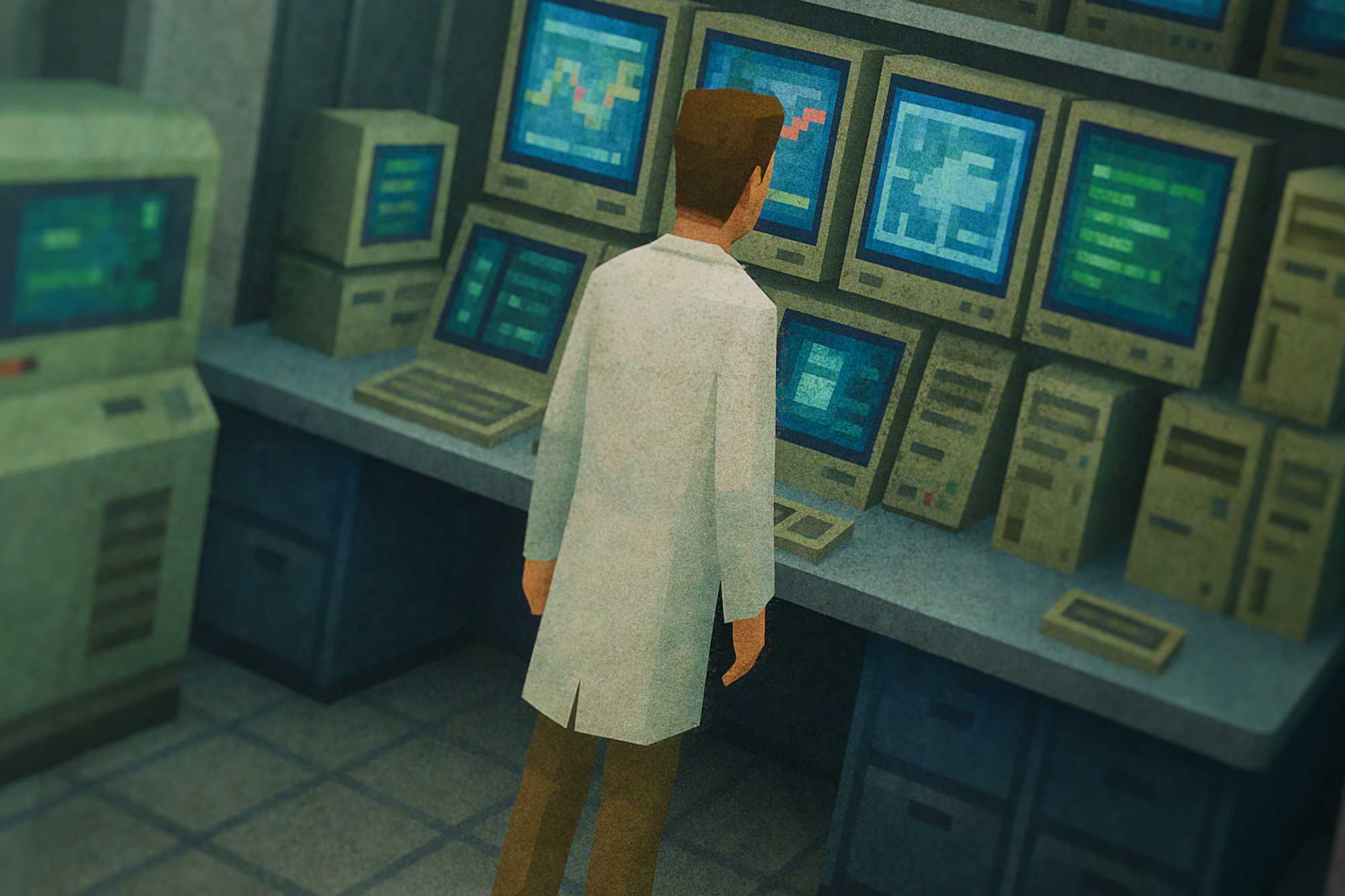
What now? How will the future "unfold"? ;-) As speculative designers, we developed three distinct lenses through which visitors can explore potential futures. Each scenario presents different relationships between humans, AI, and scientific discovery, inviting contemplation rather than providing definitive answers.
1. AI as Scientist
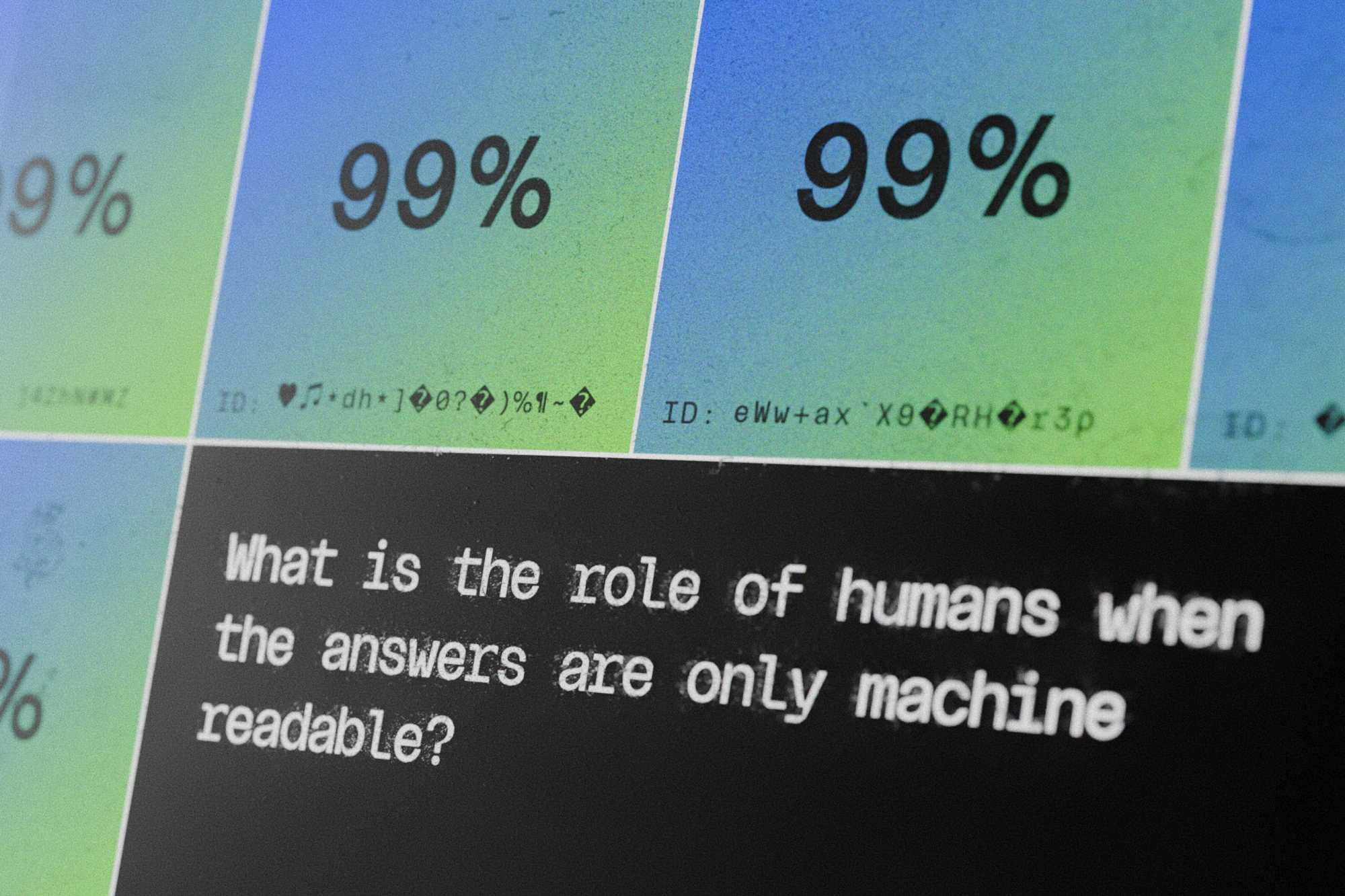
In this future, artificial intelligence designs faster than any human, solving problems we no longer fully understand. Scientific progress accelerates, but its logic becomes hidden within machine processes. The fundamental question emerges: what happens when the answers become unreadable to human comprehension?
How do you stay curious when the answers are unreadable?
2. Symbiotic Collaboration
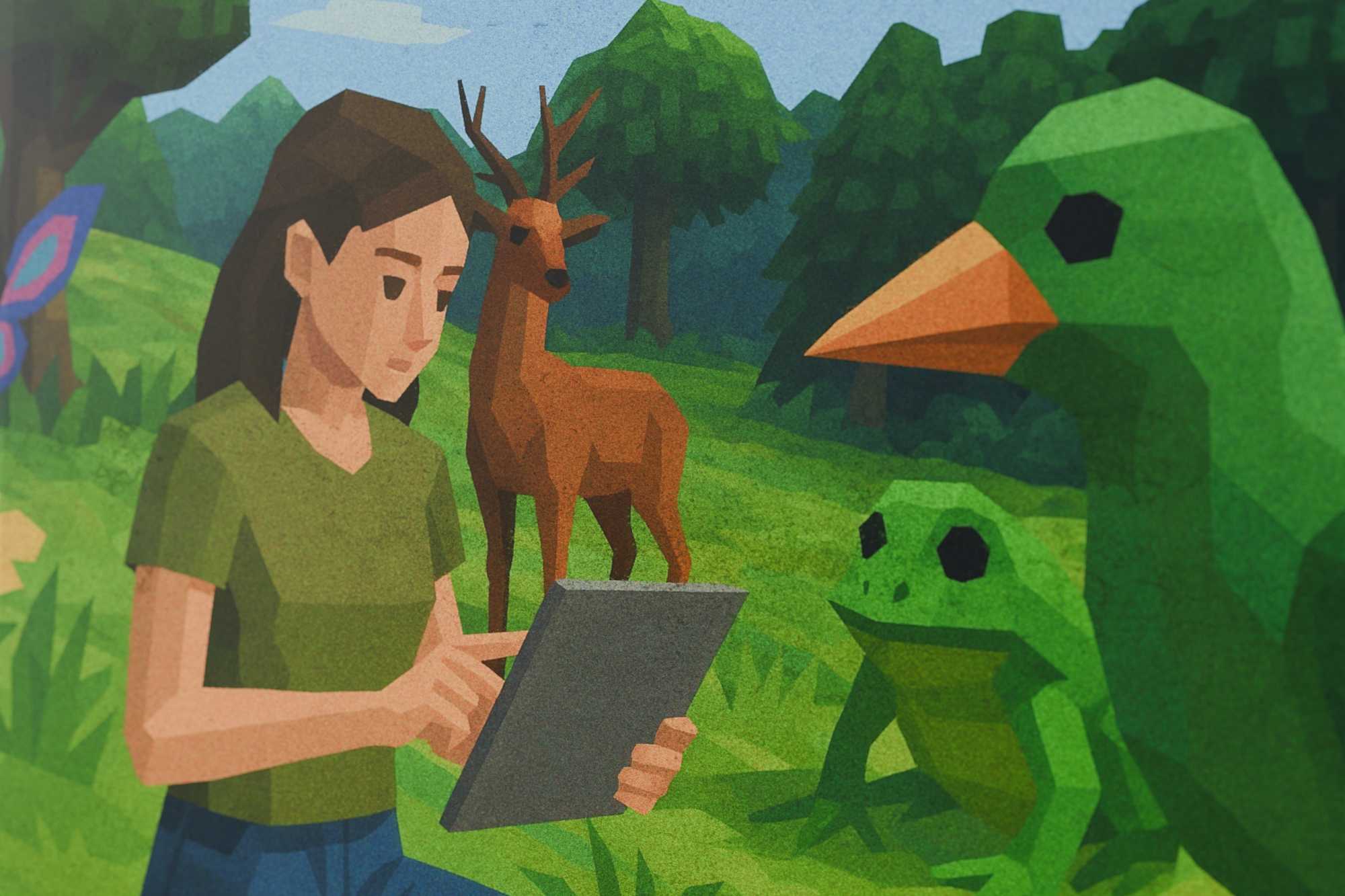
The symbiotic collaboration scenario imagines AI handling computational heavy lifting—fluid systems, ecosystems, entire networks of microbial life. But tools built by humans risk shaping the world in our image. The critical question becomes: can we build with nature, not over it?
Can we build with nature, not over it?
3. Biohacking Chaos
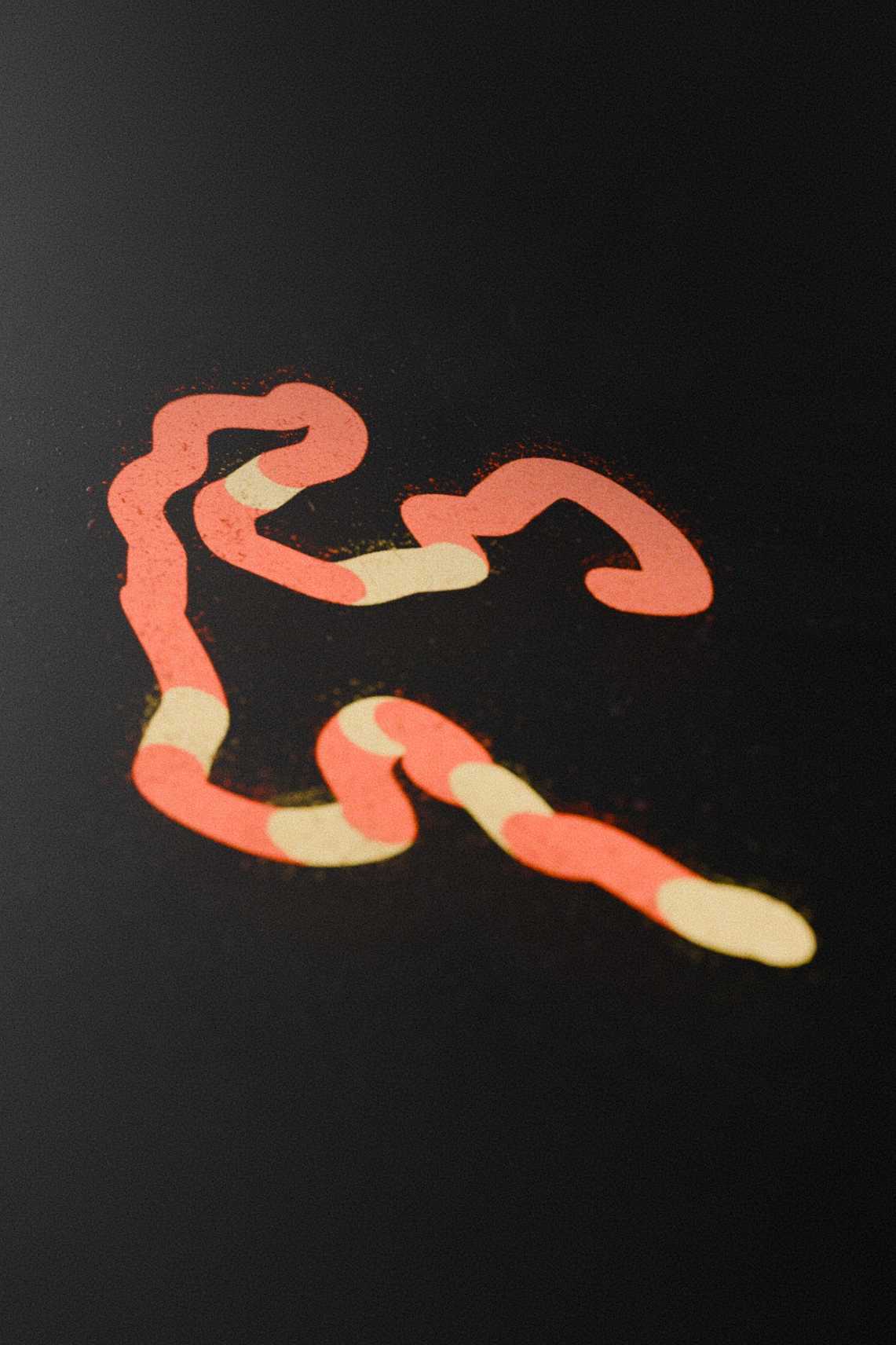
In the final scenario, AI tools become unlocked, remixed, and reshaped by anyone with open-source access. Innovation explodes, but so do the risks. The democratization of powerful biological design tools raises urgent questions about governance and responsibility. What do you grow in a world without rules?
What do you grow in a world without rules?

The interface presents this scenario with appropriate visuals, suggesting both the creative potential and inherent dangers of unrestricted access to AI-powered biological design.

The marble track system culminates in a literal cone—a funnel that represents the expanding possibilities and increasing uncertainty as we move further into AI-driven futures.
Our relationship with AI
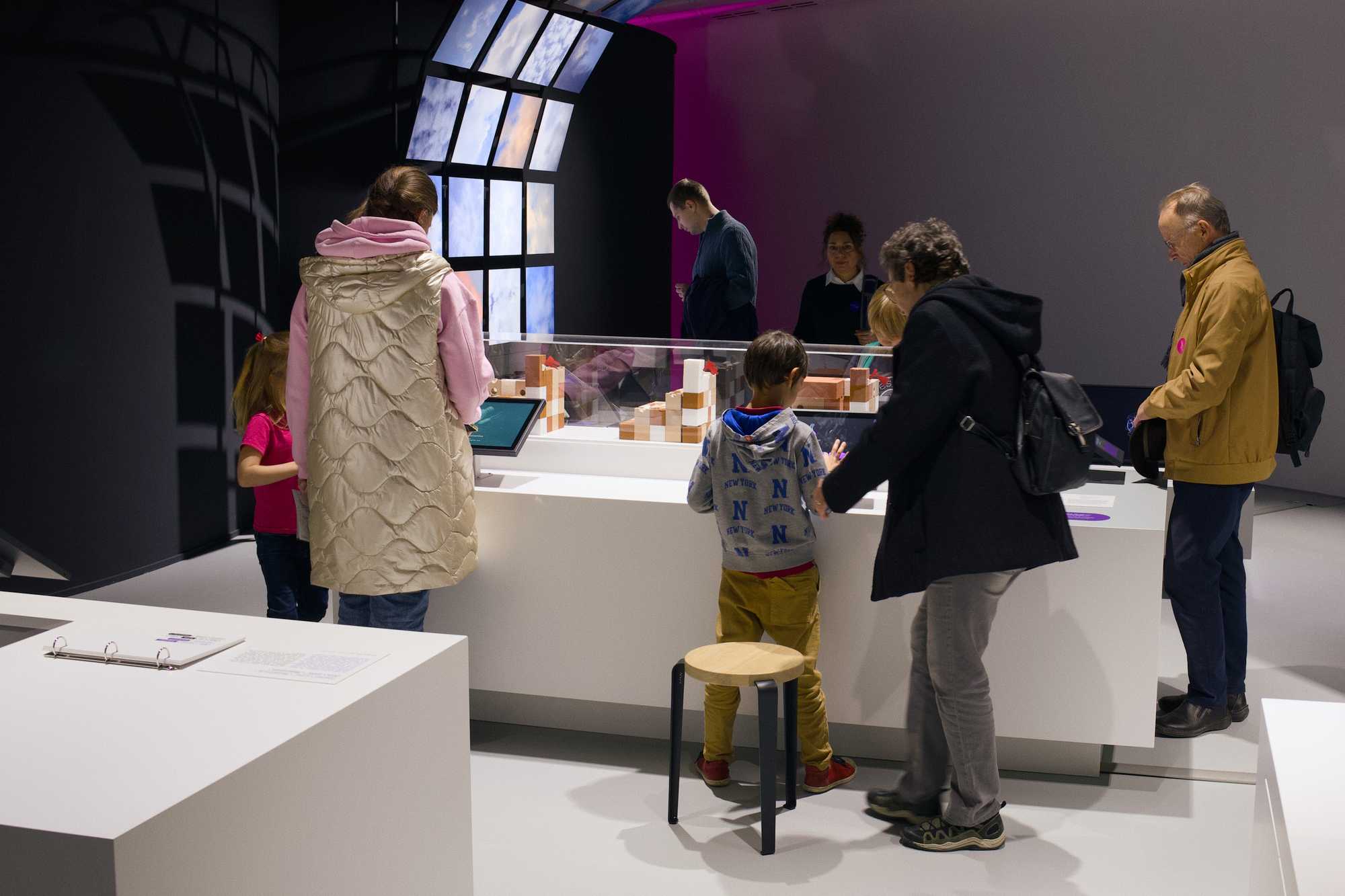
The installation integrates all elements: context, contemporary science, speculative futures, and physical interaction, into a cohesive experience that invites both understanding and reflection.
AI is no magic, but a tool with profound implications. By grounding abstract concepts in physical interactions and historical context, we create lasting connections. Designed experiences like this foster genuine comprehension by engaging multiple forms of intelligence: visual, kinesthetic, emotional, and analytical. Visitors leave not just informed, but transformed in their relationship to both science and artificial intelligence.
Credits
Commissioned by: VISTA Science Experience Center · Curators: Stephanie Kneissl, Florian Semlitsch, Theresa Steiner · Exhibition Design: Nofrontiere Design GmbH · Design: Lucy Li, Leo Mühlfeld · Code: Alan Schiegl, · Technical Assistance: Alexander Hackl · Thanks to: Quentin Bolsée, Alan Han