Sound of Insight
Designing a spatial experience translating research into multisensorial encounters at MDW Vienna.
The three pillars of universities
Universities operate on three fundamental pillars: Teaching, Research, and the third—often overlooked—pillar of building public understanding and communicating the craft they pursue. Sound of Insight was conceived to serve this essential third category, translating the complex research happening across MDW Vienna's institutes into an accessible spatial experience.
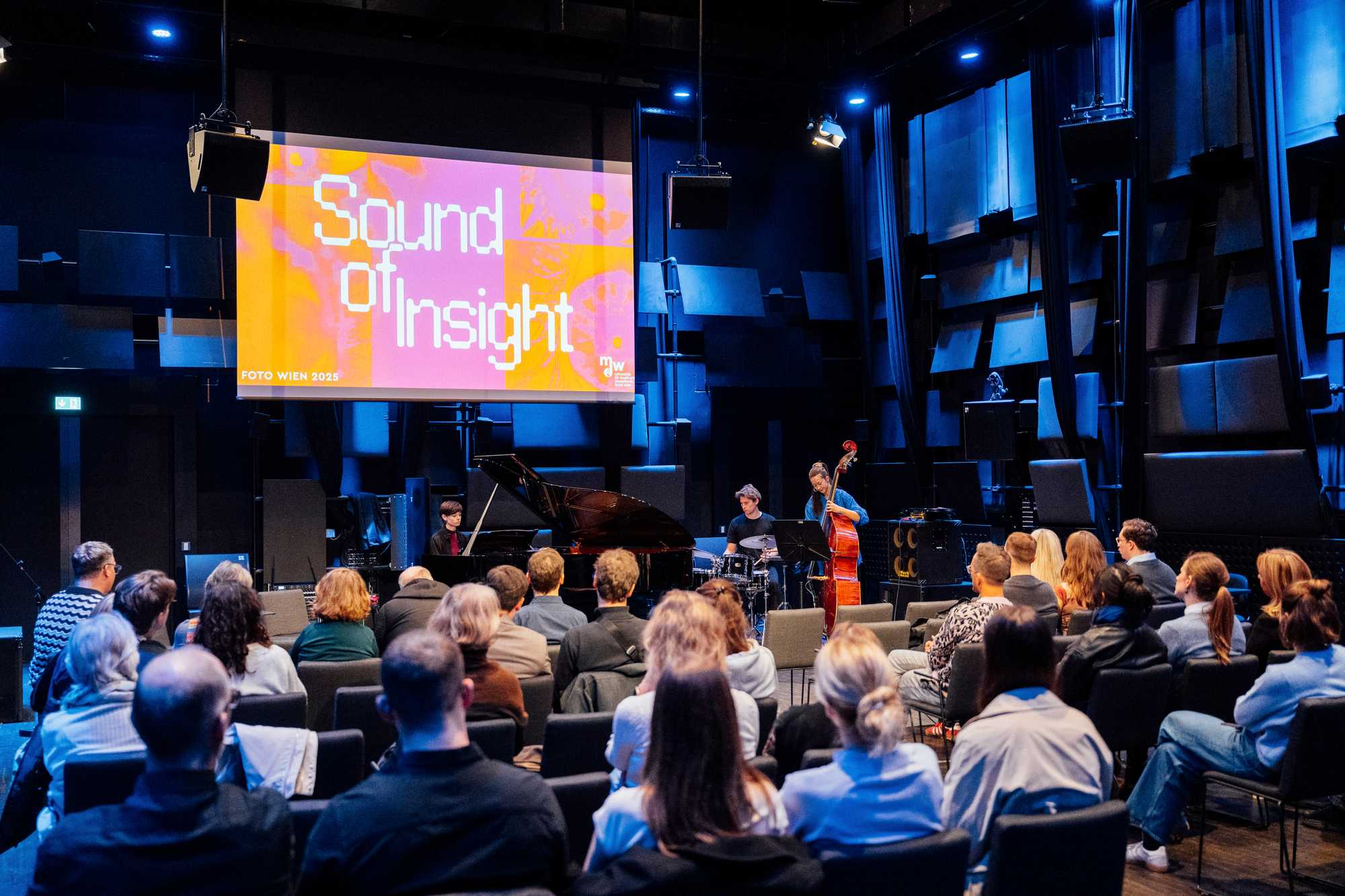
The exhibition, curated by Stephan Polzer, opened as part of Foto Wien 2025, running from October to September, and aimed to provide insights into artistic and research practices from different institutes and labs around the university through the lens of audiovisual media and photography.
MDW Future Art Lab
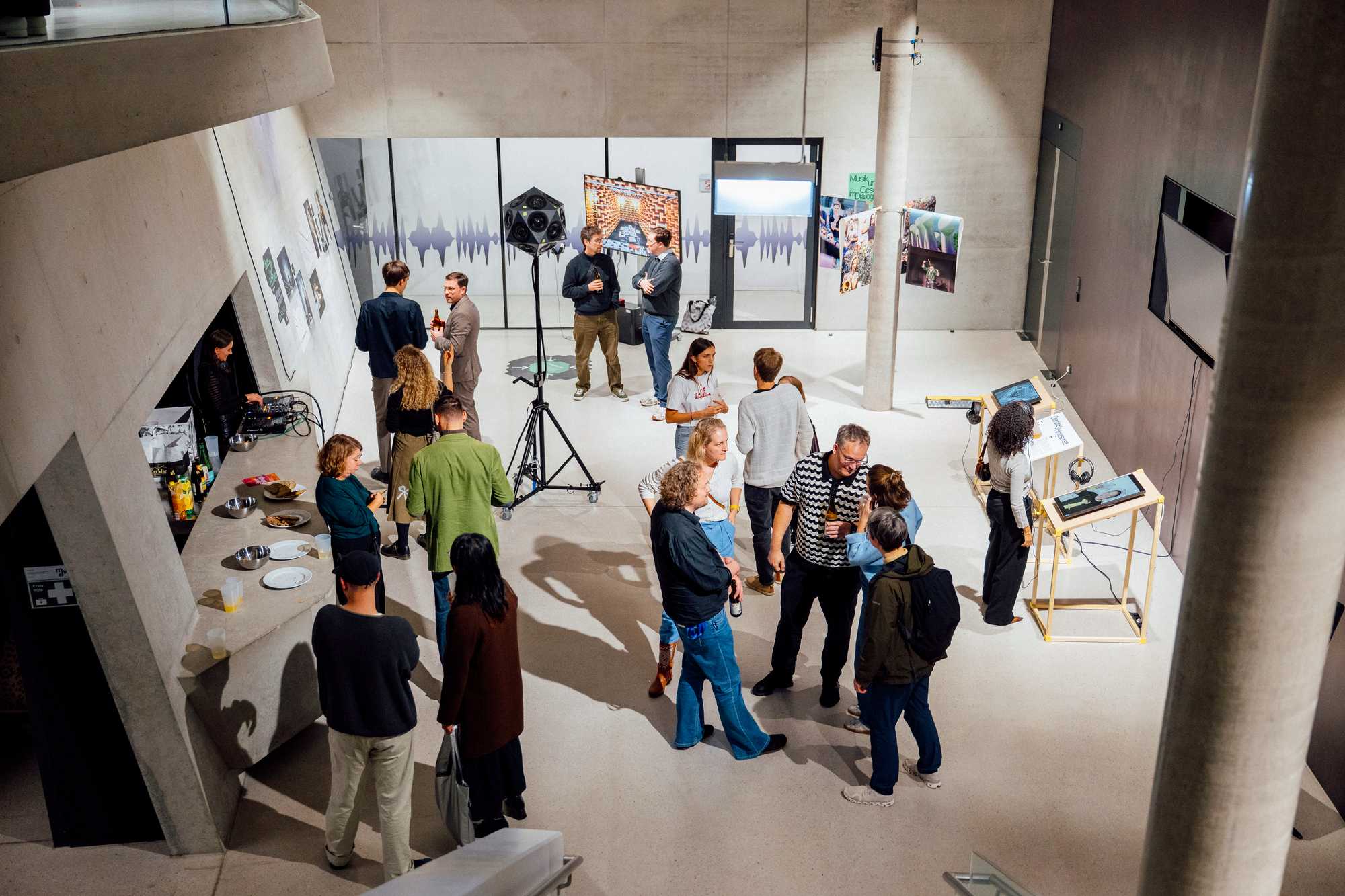
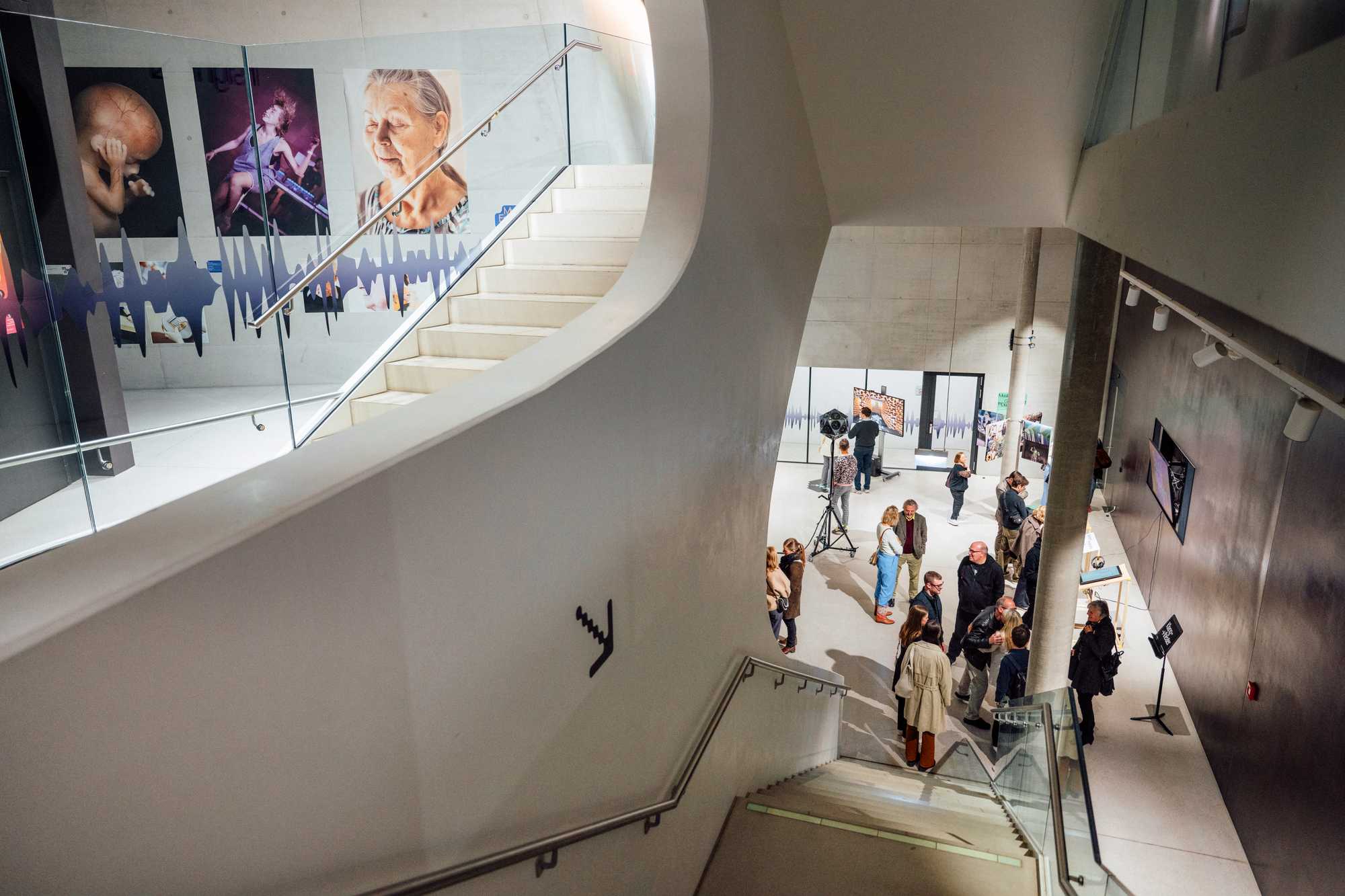
The site selection was crucial to the exhibition's success. MDW's Future Art Lab offered a building whose hallways exist in a constant state of flow—staircases curve into round corners, open floor plans merge seamlessly, creating a dynamic architectural canvas that mirrors the fluid nature of research itself.
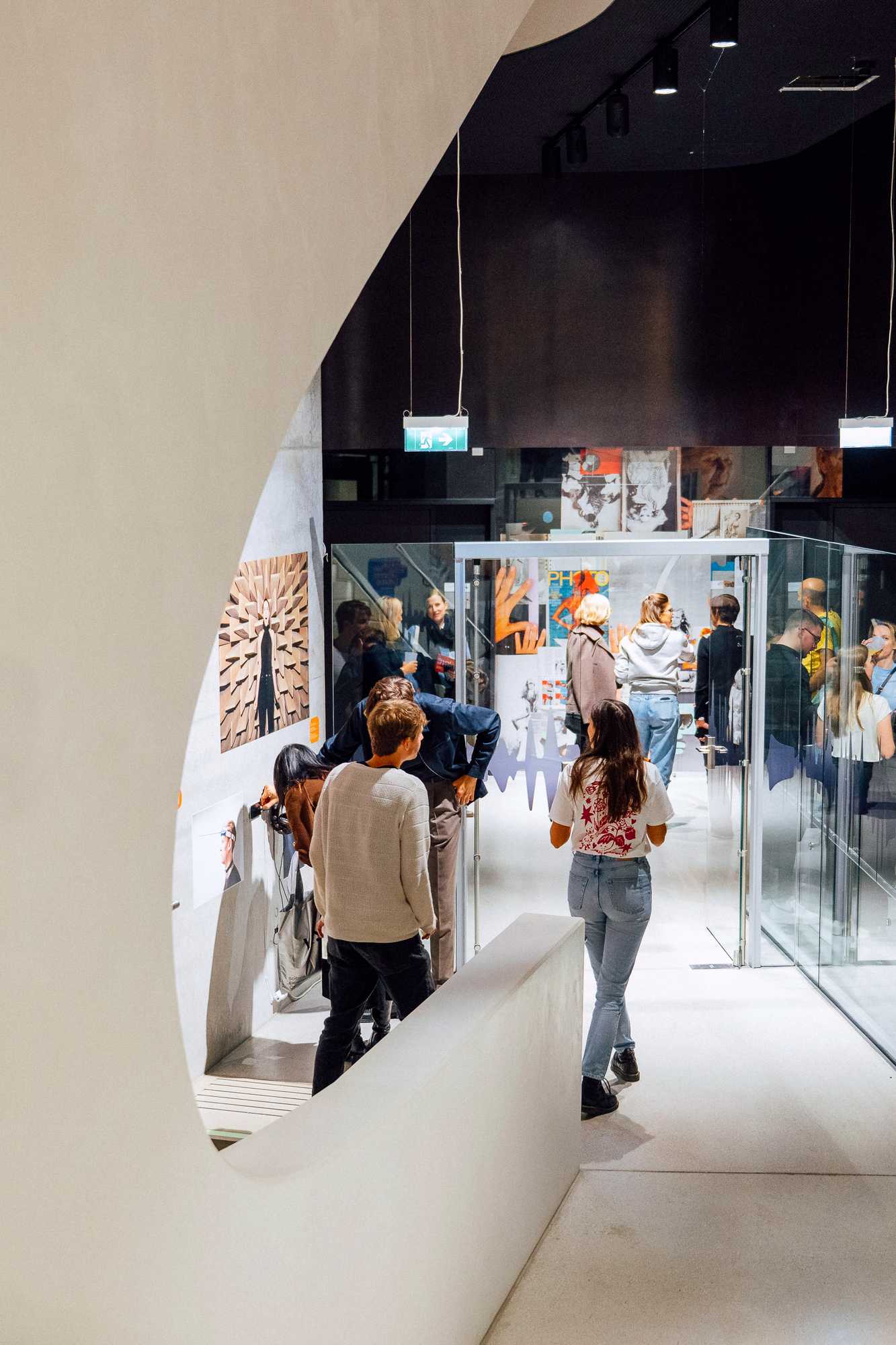
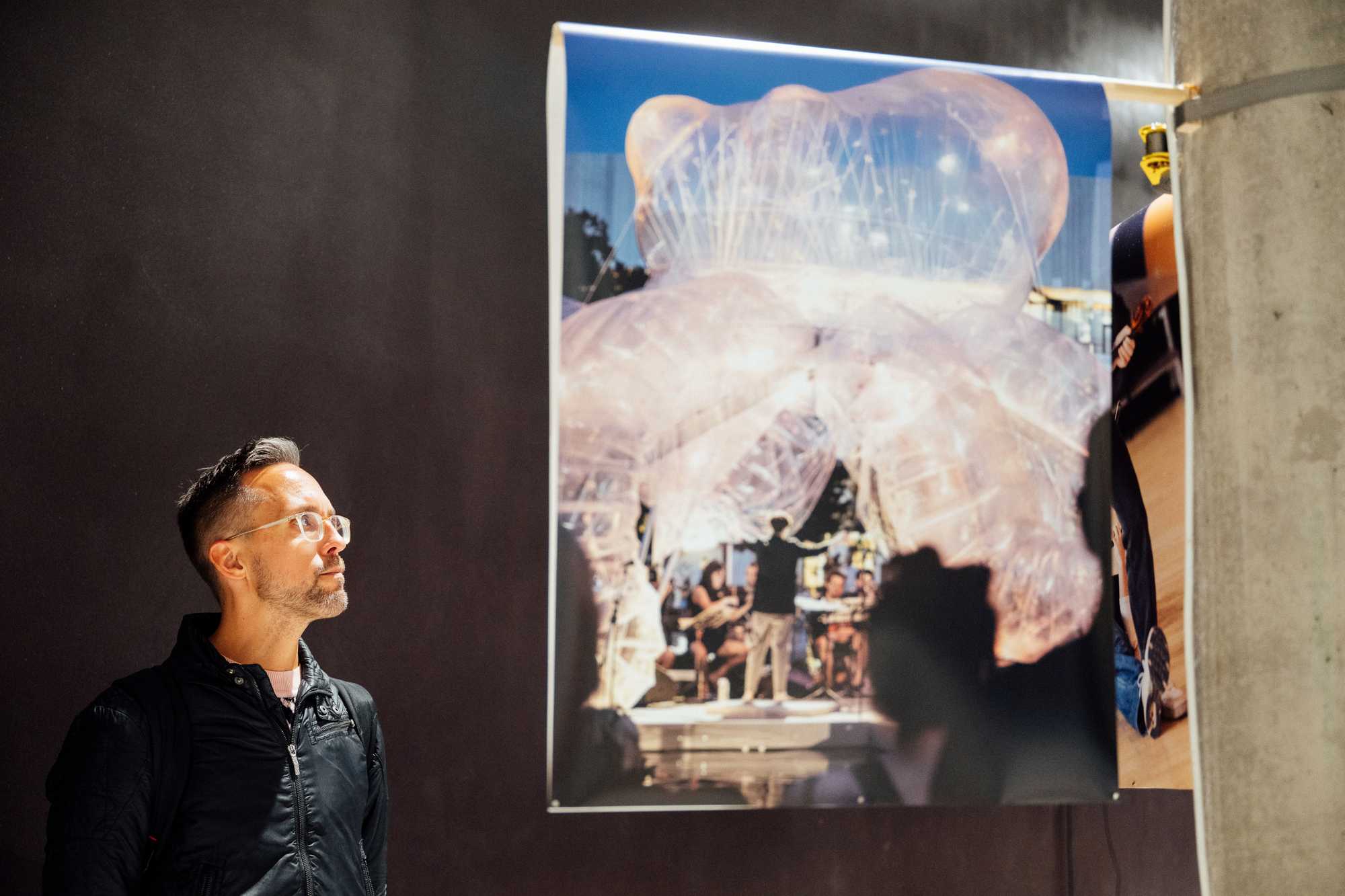
Within these flowing areas, we created layered information exchange hotspots, each focusing on a different topic from a different institution. The architecture itself became part of the narrative, with its organic geometry supporting the idea of research as a living, evolving practice.
Visual System
The Future Art Lab's existing monotonous color scheme presented both a challenge and an opportunity. We achieved visual clarity by implementing our own bold color coding system, with each research area distinguished by vibrant colors that stood in deliberate contrast to the building's neutral palette.
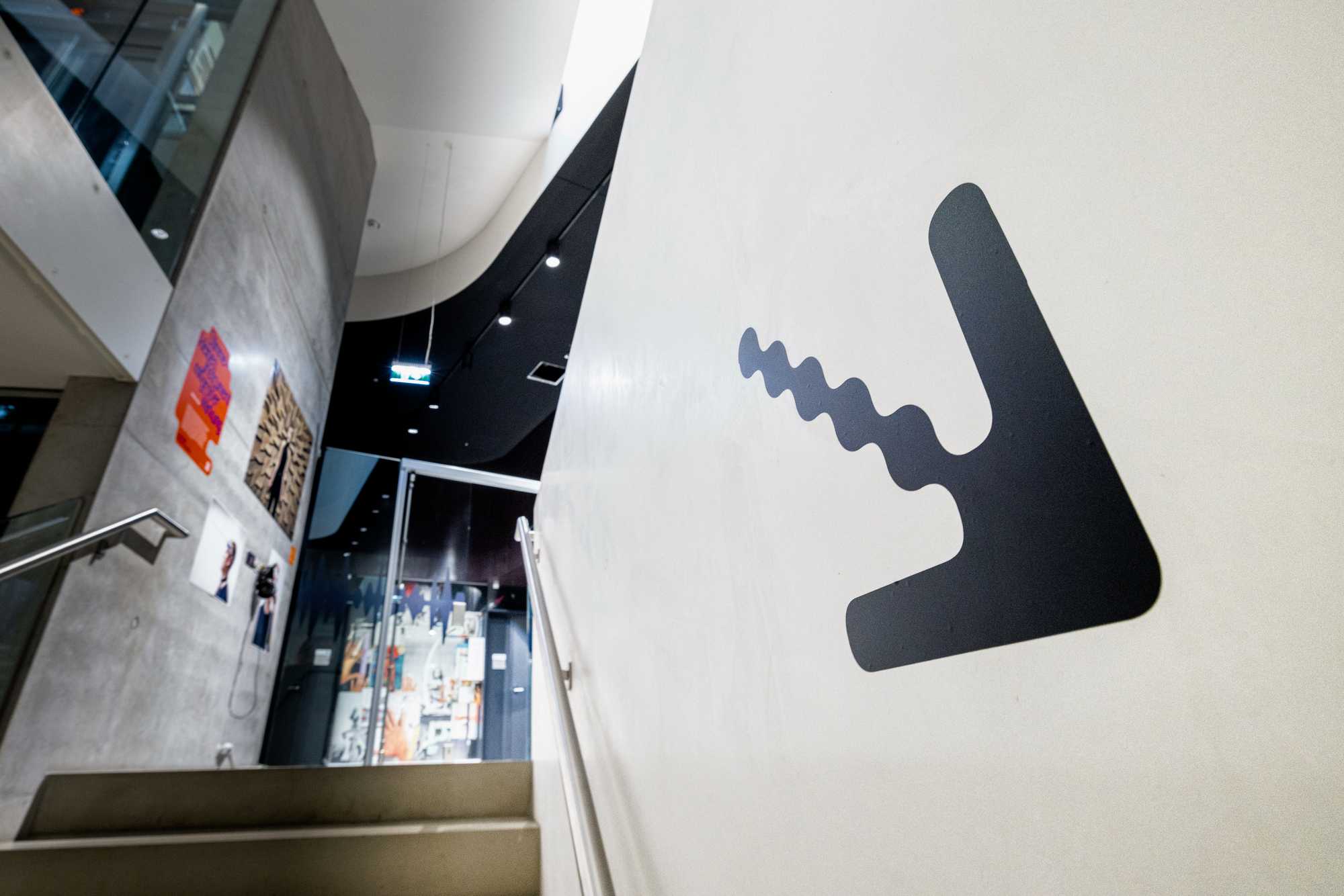
This approach created distinct zones of information while maintaining overall coherence throughout the space. The bold colors acted as wayfinding elements, guiding visitors through different research territories while maintaining the exhibition's unified identity.
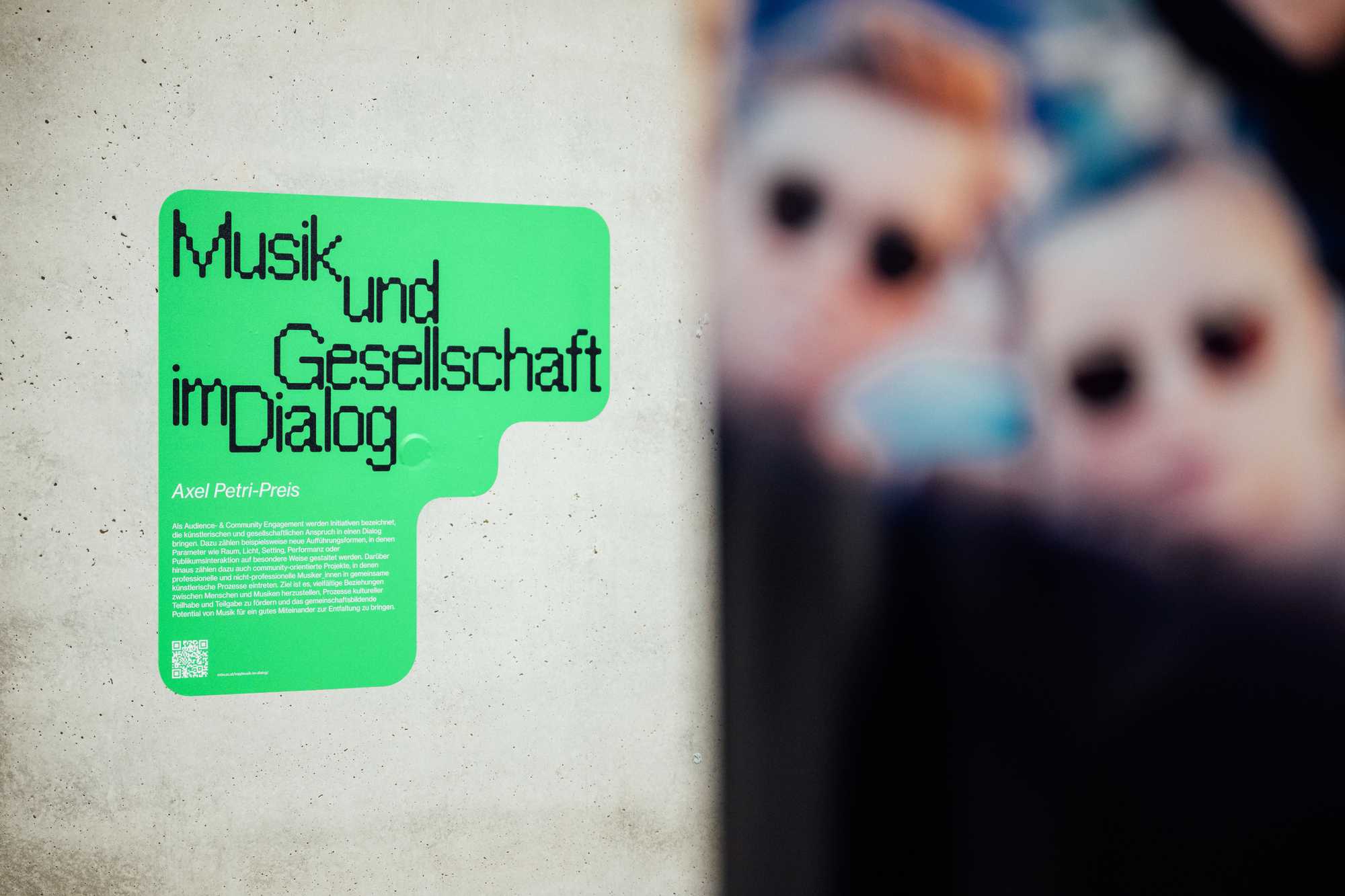
Typography
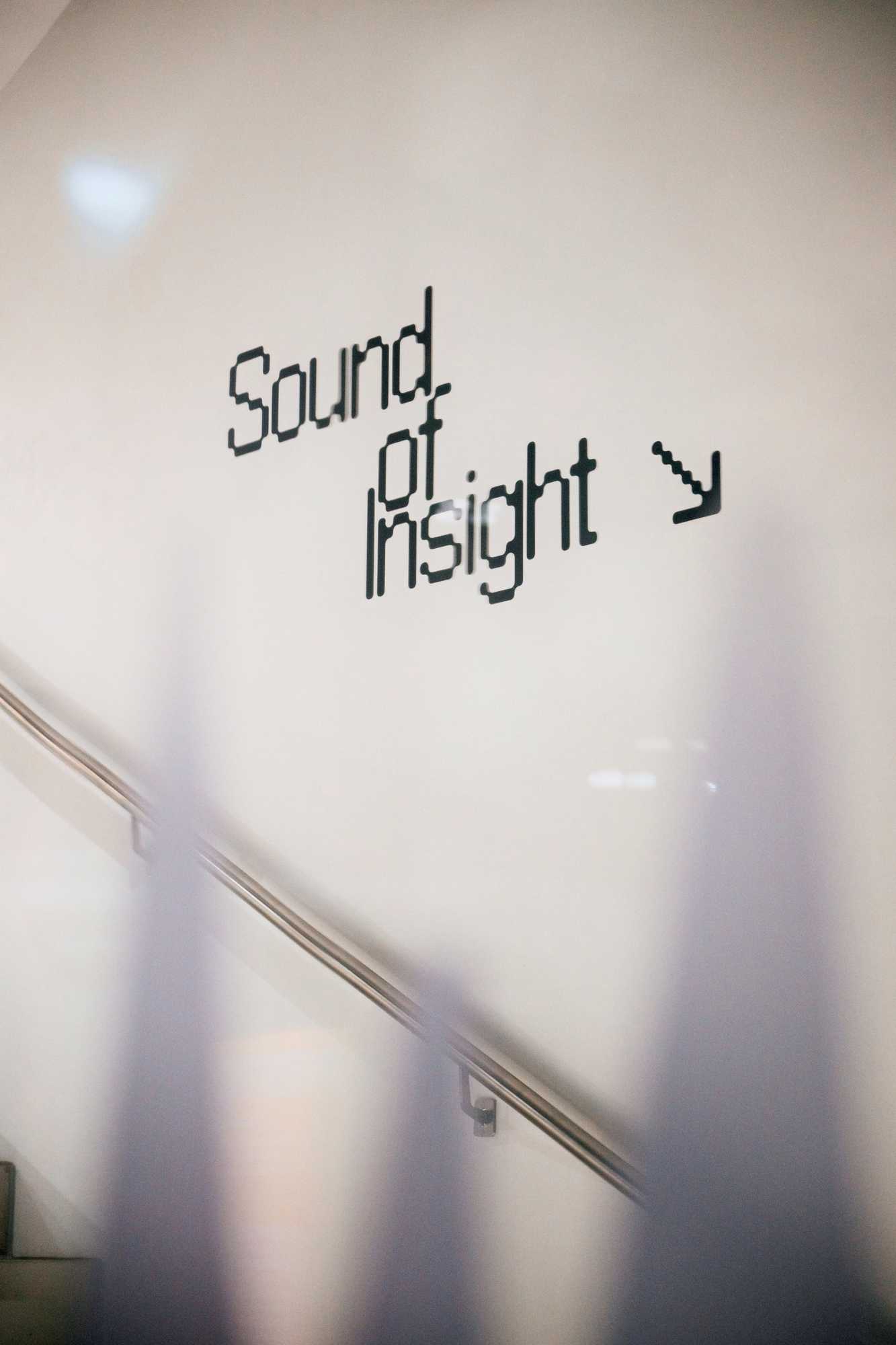
We selected Raster Grotesk as our primary typeface—a choice that embodied both the digital and the analogue, like soundwaves traveling through space, yet discrete like bits inside a machine.
This philosophy traveled through the entire exhibition, with rounded corners and bold colors creating a consistent visual language that unified all graphic elements while supporting the theme of research as limitless exploration.
Media Setup
For the presentation of audiovisual works, we constructed three custom pedestals, each hosting a media player and screen for video presentations. A projector was strategically mounted to enable large-scale projection of information and research, creating moments of immersion within the flowing architectural space.
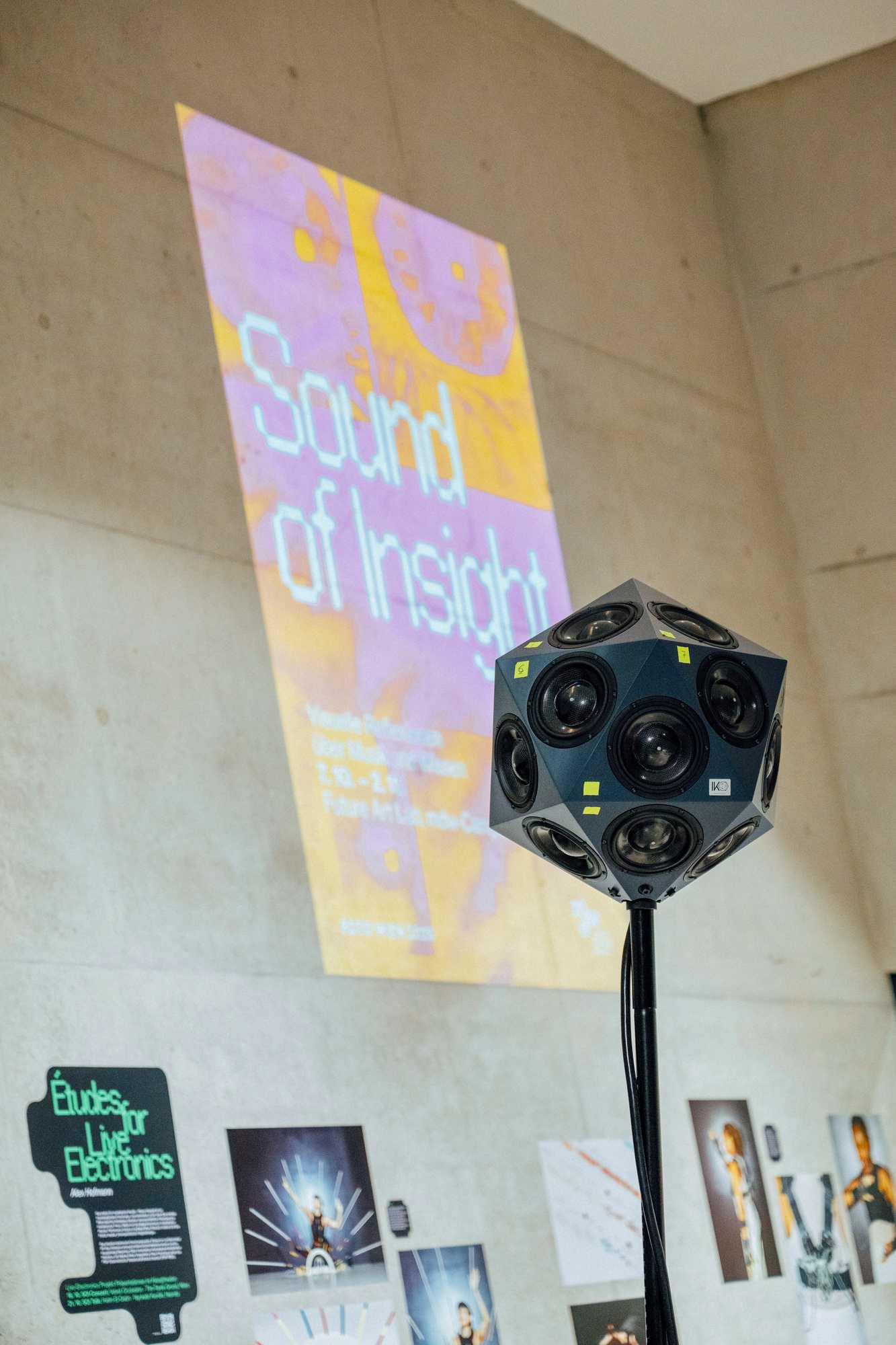
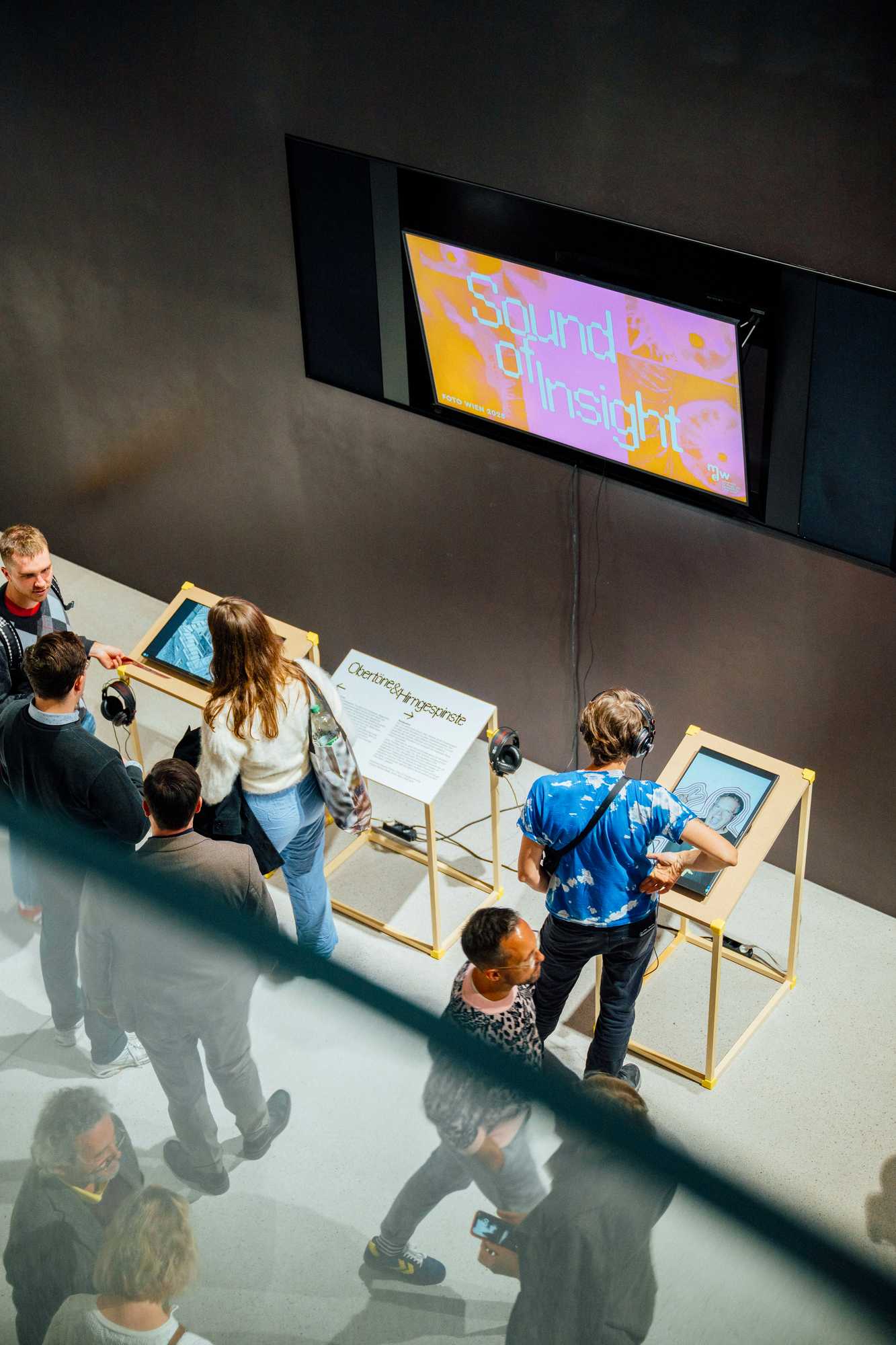
The media infrastructure was designed to be unobtrusive yet effective, allowing the research content to take center stage while providing the technical foundation necessary for audiovisual presentations. Each station could operate independently while contributing to the overall exhibition narrative.
Overview
Sound of Insights emerged from a fundamental desire to translate research into spatial experience, reaching audiences on a multisensorial level. The challenge was: create an engaging exhibition within an operating hallway that needed to remain accessible during normal university operations.
We achieved this goal through graphic language, strategic audiovisual interventions, and excessive use of available wall space, all accentuated and guided by targeted lighting. The result was an exhibition that functioned both as an informational display and as a testament to the power of design to make complex research accessible and engaging.
Credits
Inhaltliche Partner:
Alex Hofmann – Musikalische Akustik
Elsa Campbell – Musiktherapie
Malte Kob – Stimmforschung
Matthias Bertsch – Musikphysiologie
Axel Petri-Preis – Musikpädagogik
Caroline Heïder – Artistic Research
Jorge Sánchez-Chiong – Medienkomposition
Im Rahmen der Foto Wien 2025
Kuration: Stephan Polzer
Fotografien: Stephan Polzer, Caroline Heïder, Luisa Ricciarini u.a.
Ausstellungsdesign: Max Kure, Leo Mühlfeld, Anton Posch (LMGI)